
Walking Safaris in Tanzania: Immersive Nature Experiences
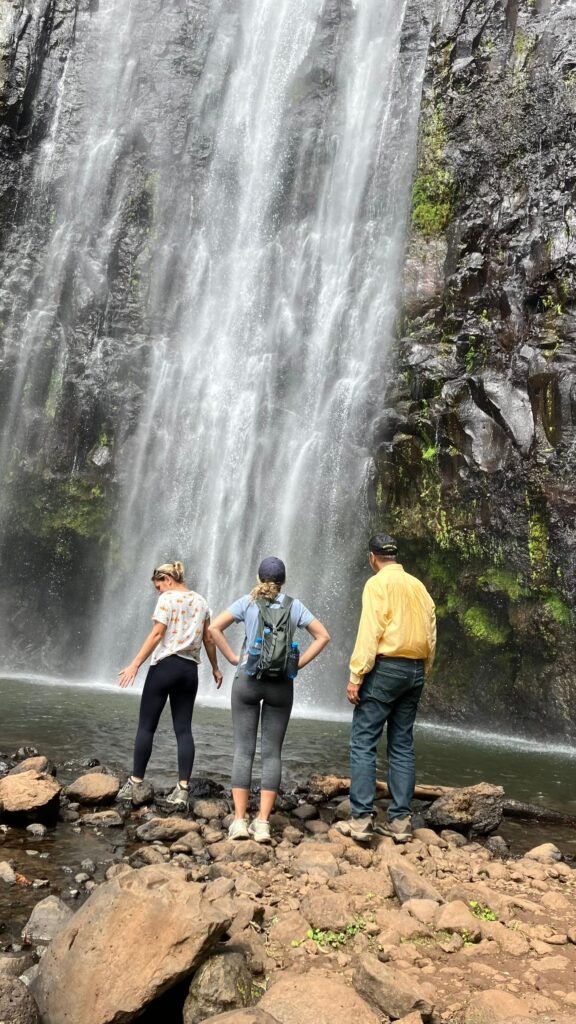
A deeper connection with nature emerges when movement slows and attention sharpens. Walking safaris in Tanzania provide one of the most authentic ways to explore landscapes, from dense forests and open savannahs to ancient wildlife corridors. On foot, travelers experience an immediacy that vehicles cannot replicate, enhancing awareness of sound, scent, and subtle wildlife behavior.
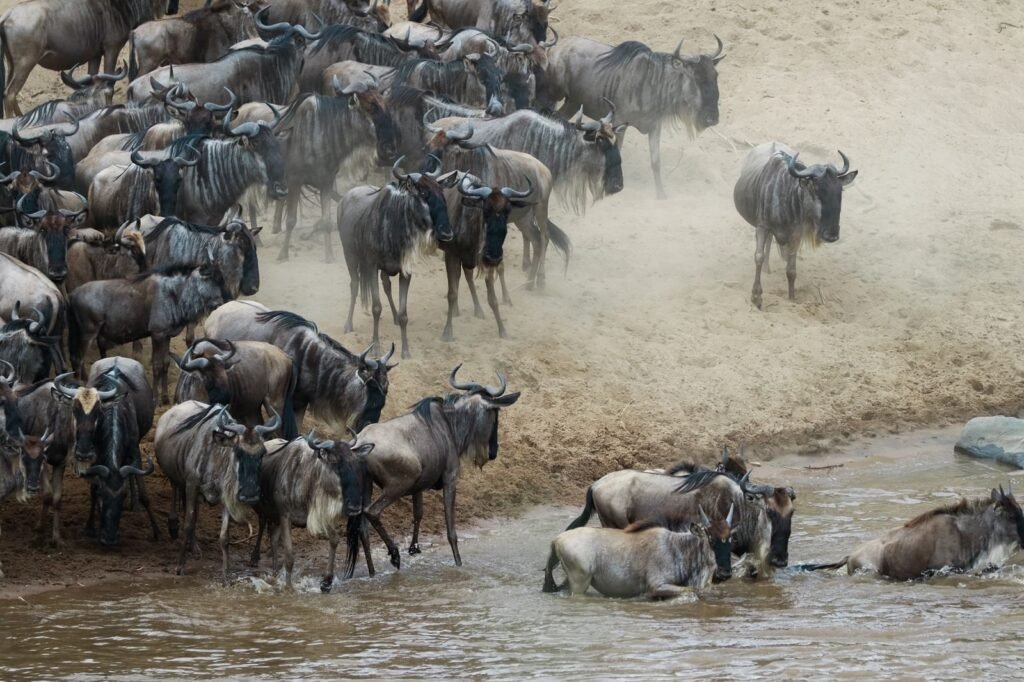
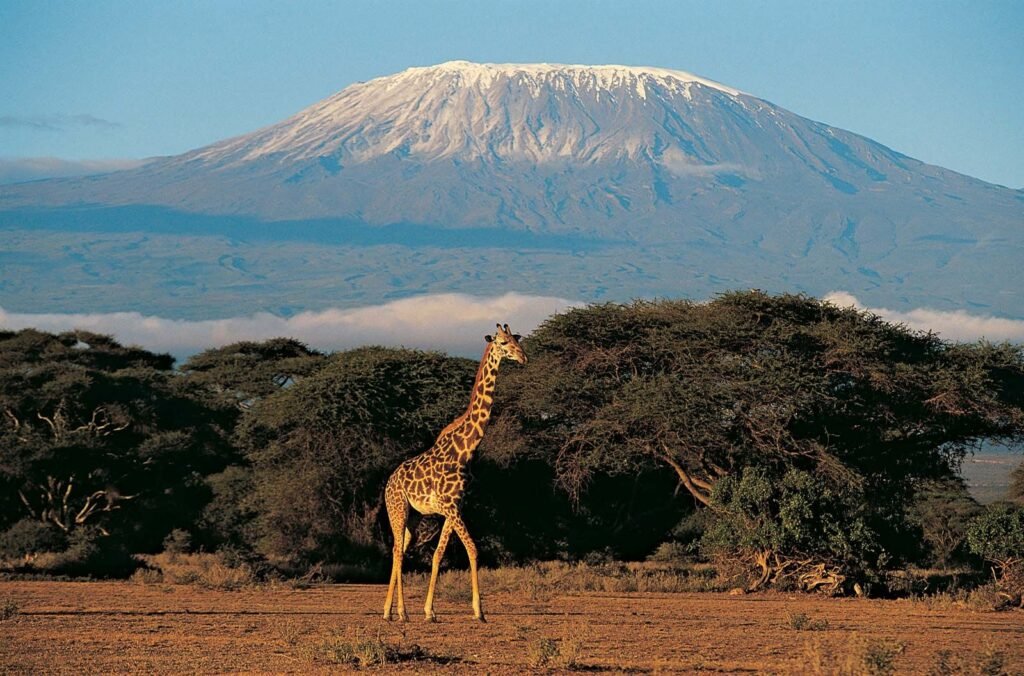
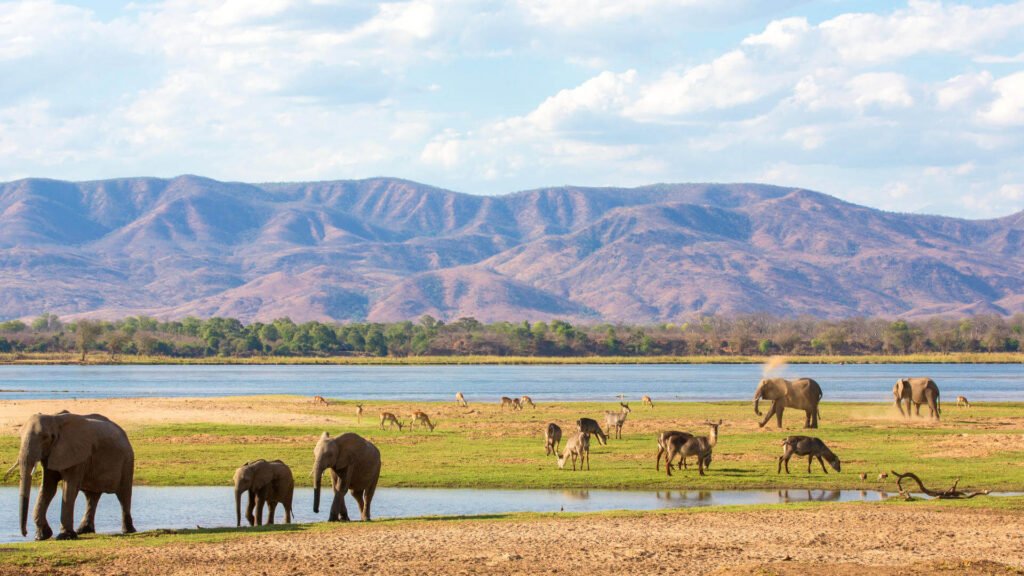
The most rewarding walking safaris take place in controlled zones of national parks and conservation areas, including Arusha National Park, Tarangire National Park, Ngorongoro Highlands, Selous (Nyerere) National Park, and selected areas of Lake Manyara. These regions allow safe wildlife observation of giraffes, elephants, buffalo, antelopes, and a wide variety of bird species. Conservation tourism studies show that guided walking experiences increase ecological understanding and strengthen emotional engagement with natural landscapes.
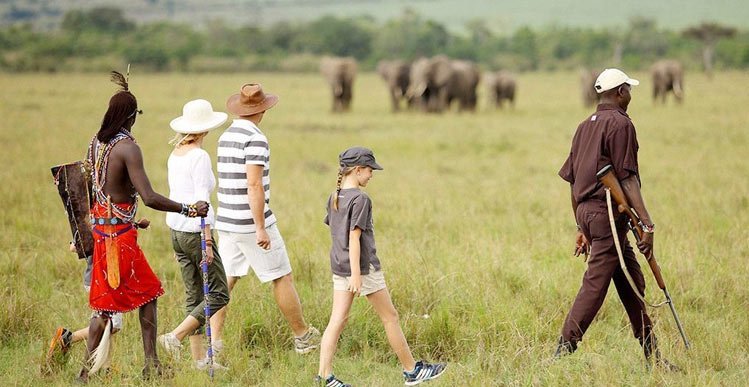
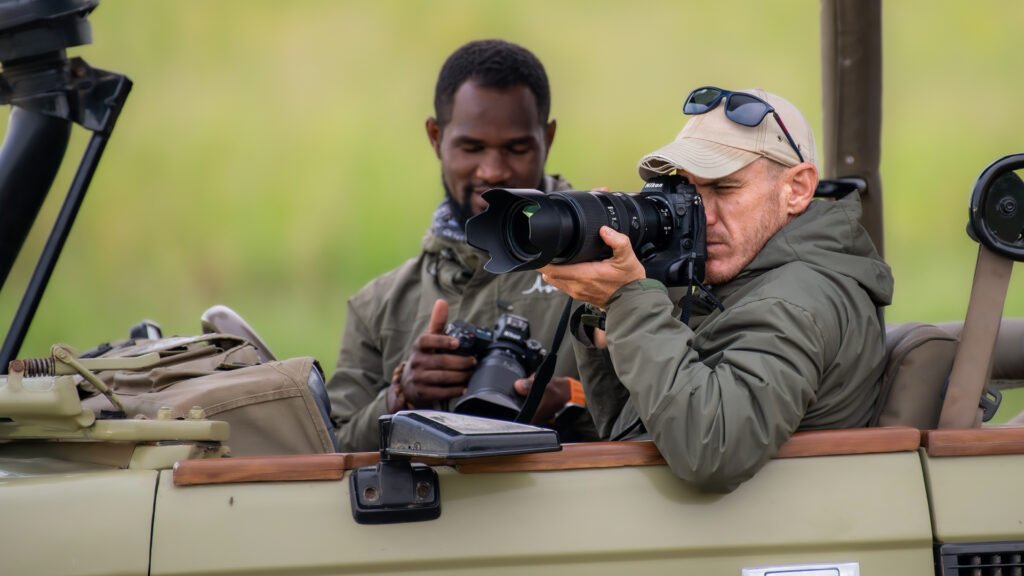
Guided walking safaris are led by trained professional guides and, where necessary, armed rangers. These experts provide safety, interpretive knowledge, and cultural insight. Beyond wildlife tracking, walks often reveal the uses of medicinal plants, animal spoor, traditional land management, and the connection between local communities and their environment. This layered approach transforms a walk into a rich educational and emotional experience rather than just a recreational activity.
For travelers seeking a slower, intentional safari, walking provides perspective, presence, and meaning. Tanzania Joyous Time Expedition designs walking safaris to be immersive, responsible, and deeply connected to place, enabling guests to experience Tanzania not merely as observers but as participants within its natural landscapes.