
Tanzania is widely recognized for its rich cultural diversity, welcoming communities, and extraordinary wildlife landscapes. Visitors often arrive to explore destinations such as Serengeti National Park, Ngorongoro Conservation Area, and Mount Kilimanjaro. However, beyond the natural beauty, Tanzania is also a country where cultural respect and religious sensitivity play an important role in daily life.
For travelers planning a safari or cultural visit through Tanzania Joyous Time Expedition, understanding appropriate clothing is part of responsible and respectful travel. Dressing appropriately helps visitors interact comfortably with local communities while also showing respect for cultural traditions.
Tanzania is home to more than 120 ethnic groups, each with its own traditions and cultural norms. In addition to ethnic diversity, religion plays a significant role in shaping social expectations.
In mainland Tanzania, both religions are widely practiced, while coastal areas and islands such as Zanzibar have a stronger Islamic influence. Because of this diversity, modest and respectful clothing is generally appreciated across the country.
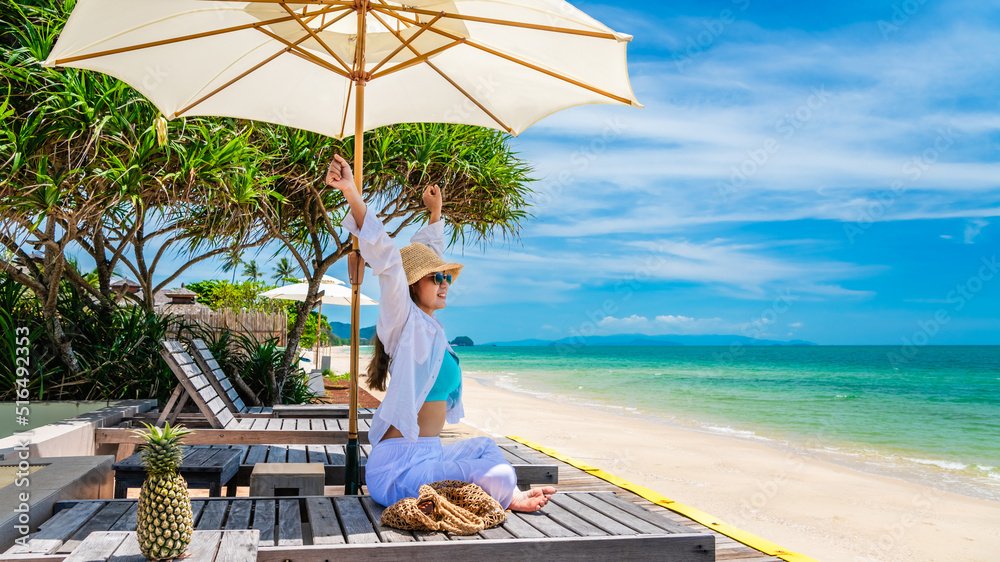
In most parts of Tanzania, particularly rural areas and small towns such as Karatu, local communities value modest dress. While Tanzania is welcoming to international tourists, wearing overly revealing clothing may attract unnecessary attention or be considered disrespectful in certain settings.
For Women
For Men
These clothing choices align with the social norms in cities such as Arusha, where tourism is common but traditional values remain important.
When visiting religious spaces, more conservative dress is expected.
Christian churches are common throughout Tanzania. When attending a service or visiting a church:
Church gatherings often emphasize respect and community presence, and modest attire reflects this cultural expectation.
In areas where Islam is strongly practiced, particularly coastal regions and Zanzibar, clothing should be more conservative.
These practices reflect Islamic traditions and demonstrate respect for the religious environment.
Safari clothing differs from city or cultural clothing because it focuses on comfort, weather conditions, and wildlife viewing practicality.
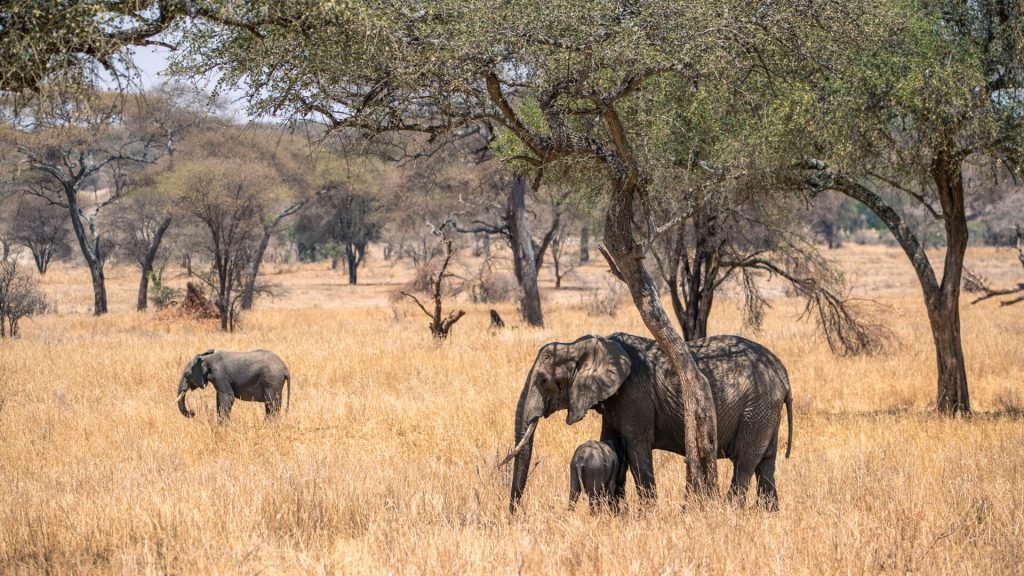
When visiting parks like Tarangire National Park or Serengeti National Park, travelers are advised to wear:
Bright colors are generally discouraged during safari drives because they may attract insects or disturb wildlife.

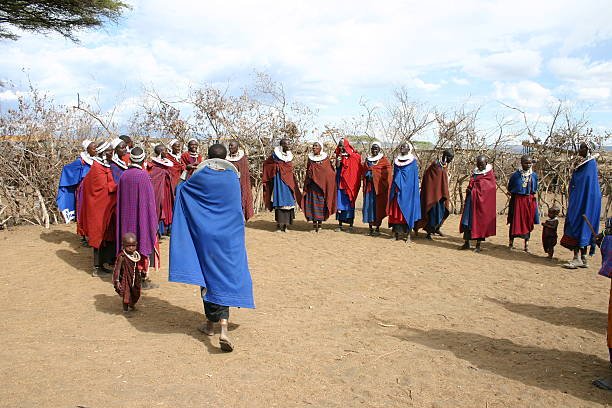
Many safari itineraries include cultural visits to local communities near conservation areas such as Ngorongoro Conservation Area. In these environments, respectful clothing is particularly important.
Respectful behavior and appropriate clothing often create more positive interactions between visitors and local residents.
Tanzania’s climate is generally warm, but temperatures can vary depending on altitude and location.
Typical conditions include:
Useful clothing items include:
These practical items ensure both comfort and safety during travel.
Travel is not only about visiting destinations it is about building respectful connections with people and cultures. When travelers dress appropriately, they demonstrate awareness and appreciation for the traditions that shape everyday life in Tanzania.
At Tanzania Joyous Time Expedition, we encourage guests to travel responsibly while experiencing the beauty of Tanzania’s landscapes, wildlife, and cultural heritage.
By understanding local expectations and dressing respectfully, visitors can enjoy their safari with confidence while creating genuine connections with the communities they encounter.