What to Wear in Tanzania: Cultural, Religious, and Safari Clothing Guide
Tanzania is known for its rich cultural diversity, welcoming communities, and world-class safari destinations. While many travelers visit for wildlife experiences in places like Serengeti National Park and the Ngorongoro Conservation Area, understanding local clothing expectations is equally important.
Dressing appropriately in Tanzania is part of responsible travel. It helps visitors respect cultural traditions, interact comfortably with local communities, and avoid unnecessary attention.
Understanding Culture and Religion in Tanzania
Tanzania is home to over 120 ethnic groups, each with its own traditions and customs. Religion also plays a key role in shaping daily life. The two main religions are Christianity and Islam.
In mainland Tanzania, both religions are widely practiced. In coastal areas and islands such as Zanzibar, Islamic traditions are more dominant. Because of this diversity, modest clothing is generally expected across the country.
General Clothing Guidelines for Travelers
In cities, towns, and rural areas such as Karatu, modest dressing is recommended. While Tanzania is tourist-friendly, overly revealing clothing may be considered inappropriate in local settings.
For Women
-
Wear dresses or skirts that reach at least the knee
-
Choose tops that cover shoulders
-
Opt for lightweight trousers or safari pants
-
Avoid very short shorts and low-cut tops in towns or villages
For Men
-
Wear T-shirts or collared shirts
-
Choose long trousers or knee-length shorts
-
Avoid walking shirtless in public areas
These guidelines apply in urban areas like Arusha, where tourism is common but cultural values remain important.
What to Wear in Religious Places
Visiting Churches
Churches are common throughout Tanzania. When attending a service:
Visiting Mosques
In Muslim-majority areas, especially Zanzibar:
-
Women may need to cover their heads with a scarf
-
Shoulders and knees should be covered
-
Shoes must be removed before entering
Respecting these practices shows cultural awareness and builds positive interactions.
What to Wear on Safari in Tanzania
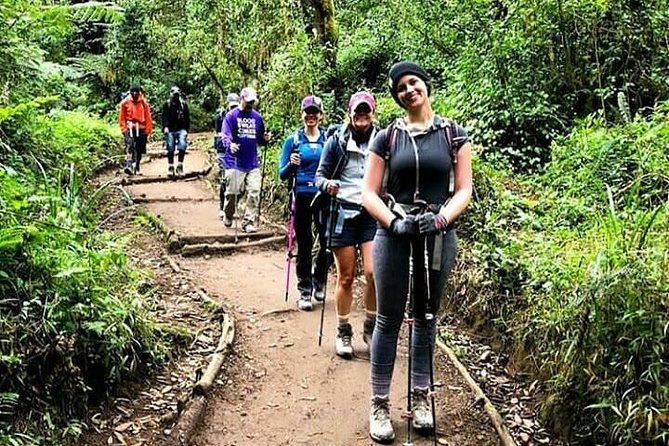
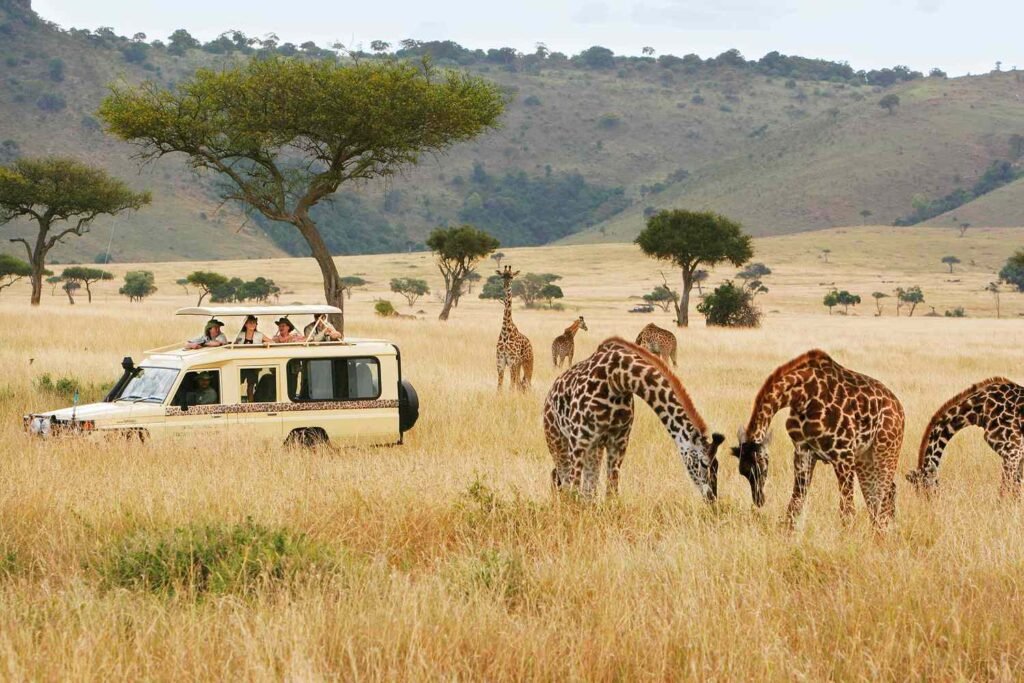
Safari clothing focuses on comfort, climate, and practicality. When visiting parks like Tarangire National Park or Serengeti National Park, the right clothing improves your overall experience.
Recommended Safari Clothing
-
Neutral colors such as khaki, beige, brown, or olive
-
Lightweight and breathable fabrics
-
Long-sleeve shirts for sun and insect protection
-
Comfortable walking shoes or hiking boots
Bright colors are not recommended, as they may attract insects or disturb wildlife.
Dressing for Cultural Visits
Many itineraries include visits to communities near areas like the Ngorongoro Conservation Area. In these settings, respectful clothing is essential.
Travelers should:
Respectful behavior often leads to more meaningful cultural interactions.
Clothing Tips for Tanzania’s Climate
Tanzania has a warm climate, but temperatures vary by region and altitude.
Typical Conditions
-
Warm days and cooler evenings in safari areas
-
Strong sunlight during game drives
-
Cooler temperatures in highland areas such as Karatu
Essential Items to Pack
-
Lightweight jacket for early mornings and evenings
-
Hat or cap for sun protection
-
Sunglasses and sunscreen
-
Comfortable safari trousers and shirts
Packing correctly ensures comfort and safety throughout your trip.
Why Dressing Appropriately Matters
Travel in Tanzania goes beyond sightseeing. It involves engaging with people, traditions, and local environments.
Appropriate clothing:
-
Shows respect for cultural and religious values
-
Improves interaction with local communities
-
Enhances overall travel experience
At Tanzania Joyous Time Expedition, we encourage responsible travel that respects both people and nature.
Conclusion: Travel with Awareness and Respect
Understanding what to wear in Tanzania helps travelers feel confident and prepared. It also ensures that every interaction whether on safari or in a village is respectful and positive.
By choosing appropriate clothing, visitors can fully enjoy Tanzania’s wildlife, landscapes, and cultural richness while building genuine connections along the journey.