Kilimanjaro Climbing

Kilimanjaro Climbing

Mount Kilimanjaro Climbing Tours | Best Routes & Trekking Packages

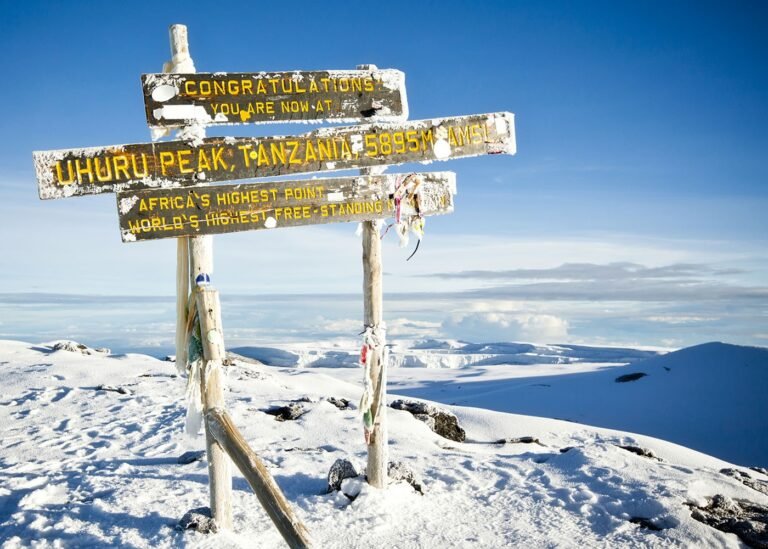
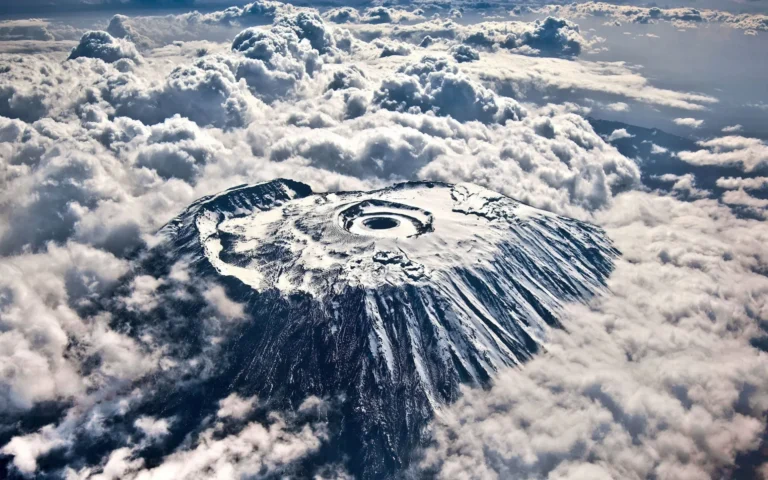
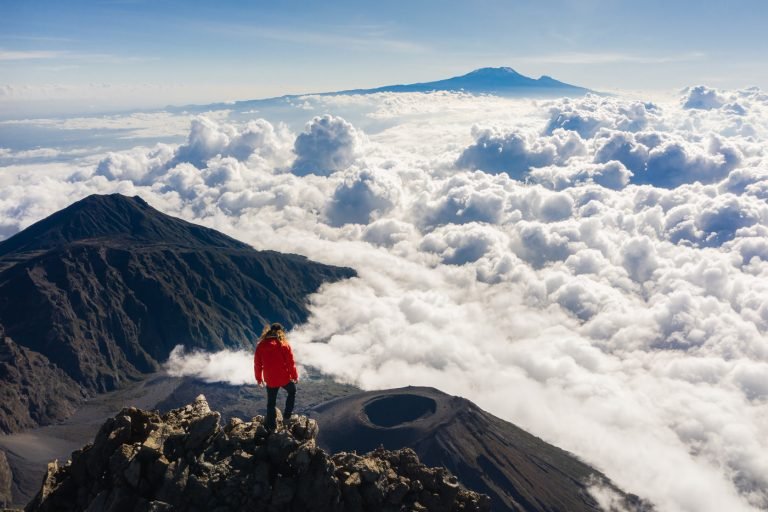
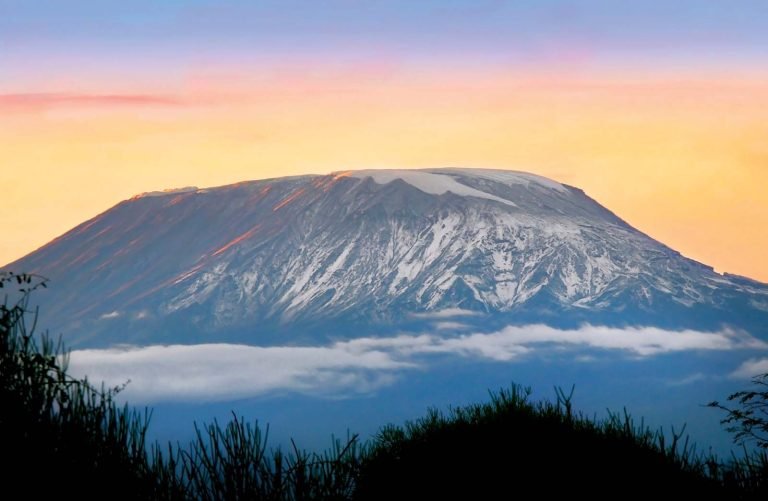
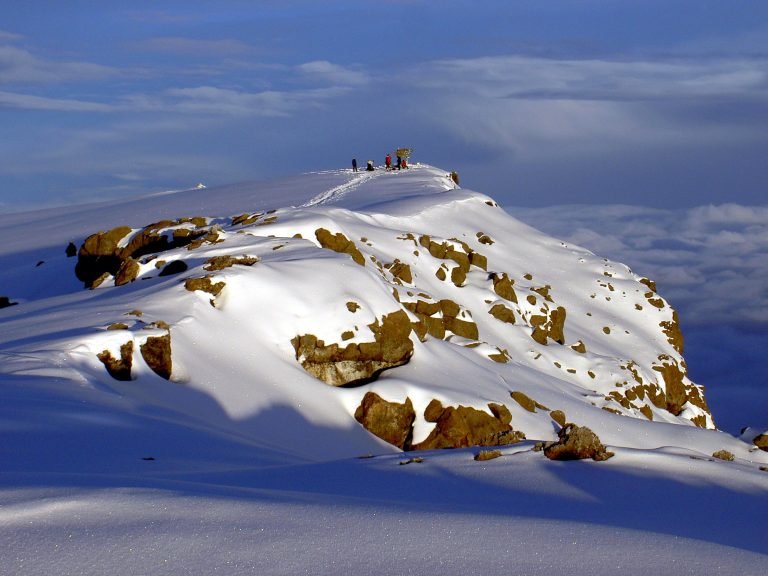
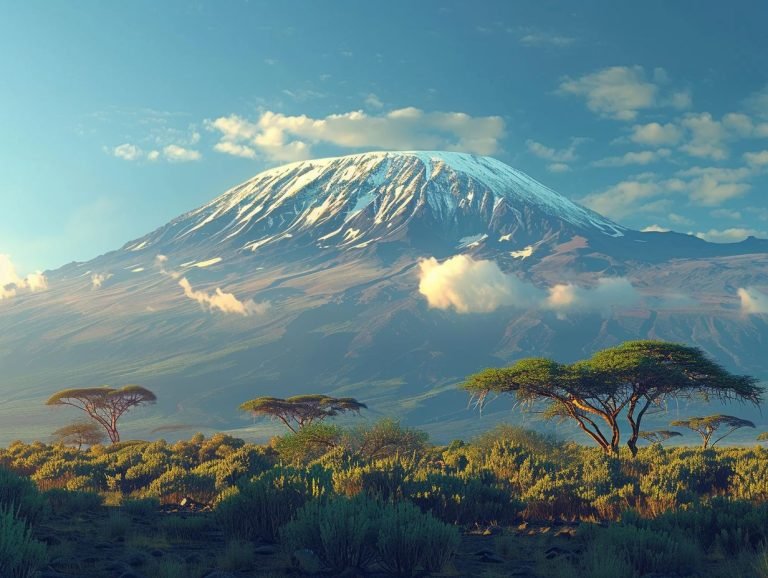
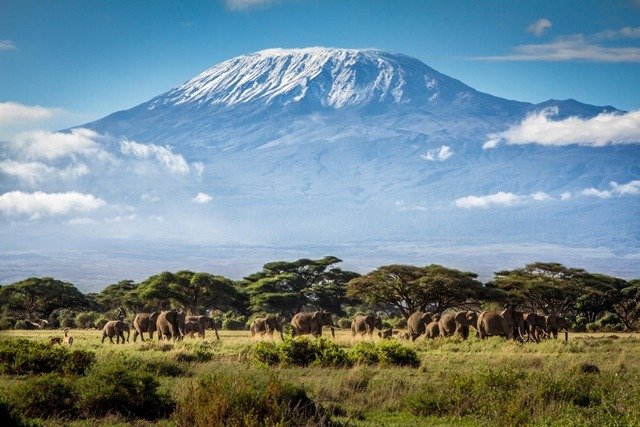
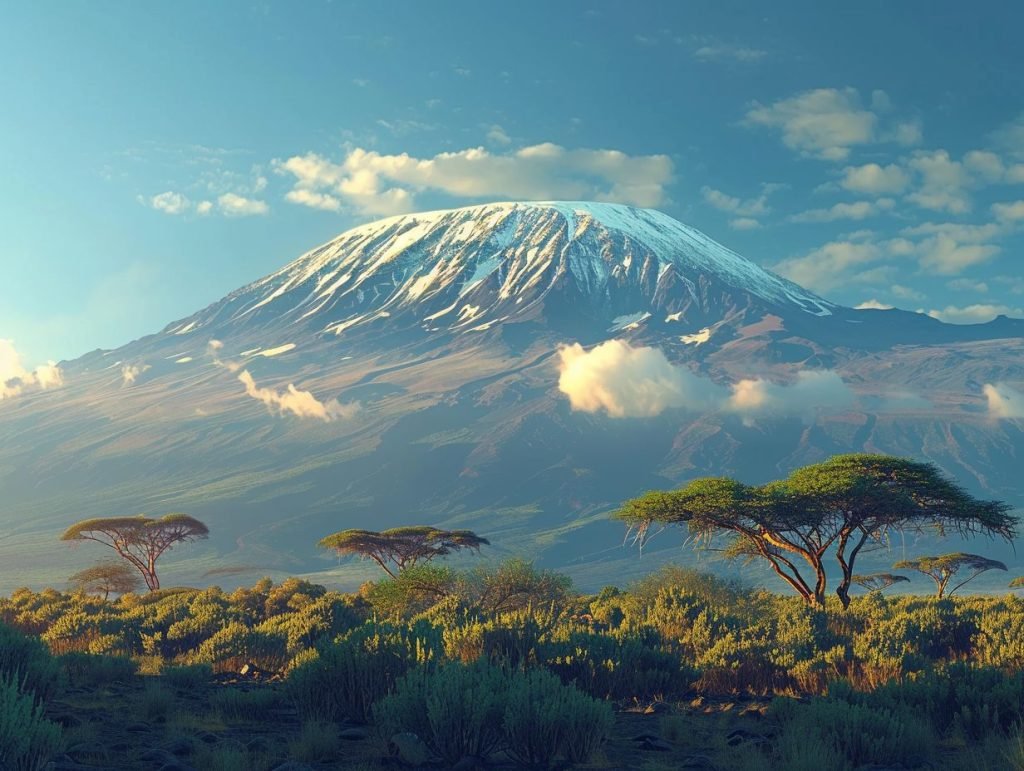
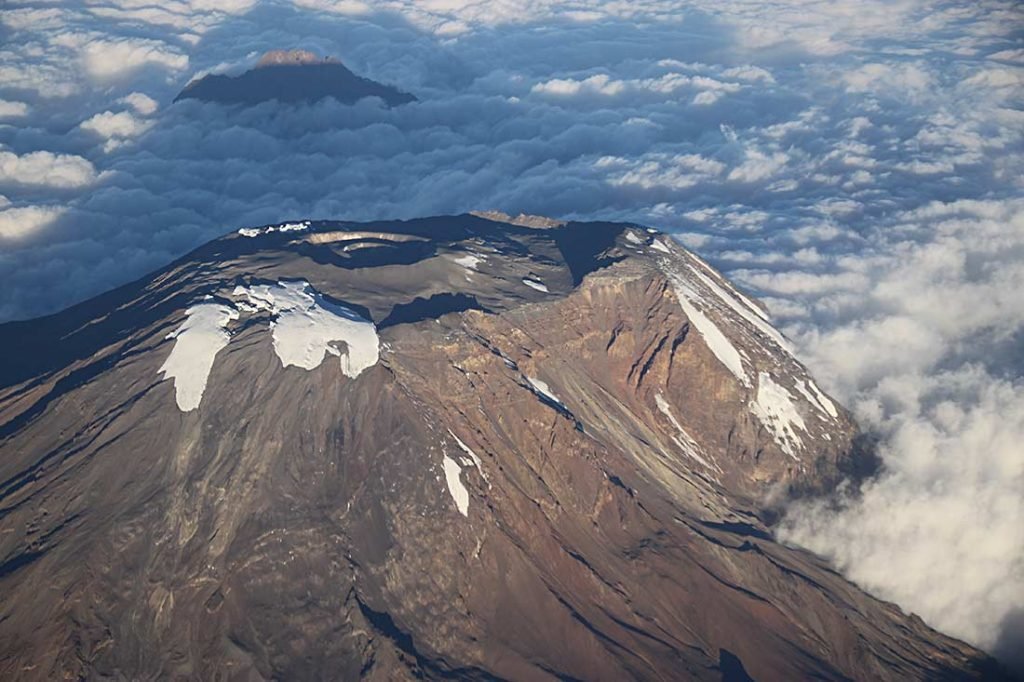
Mount Kilimanjaro, the “Roof of Africa,” stands as the world’s tallest free-standing mountain at 5,895 meters (19,341 feet). Located in northern Tanzania, this dormant volcano is a global icon for adventurers. Unlike many of the world’s highest peaks, hiking Mount Kilimanjaro does not require technical climbing skills, making it a “walk-up” mountain accessible to physically fit trekkers.

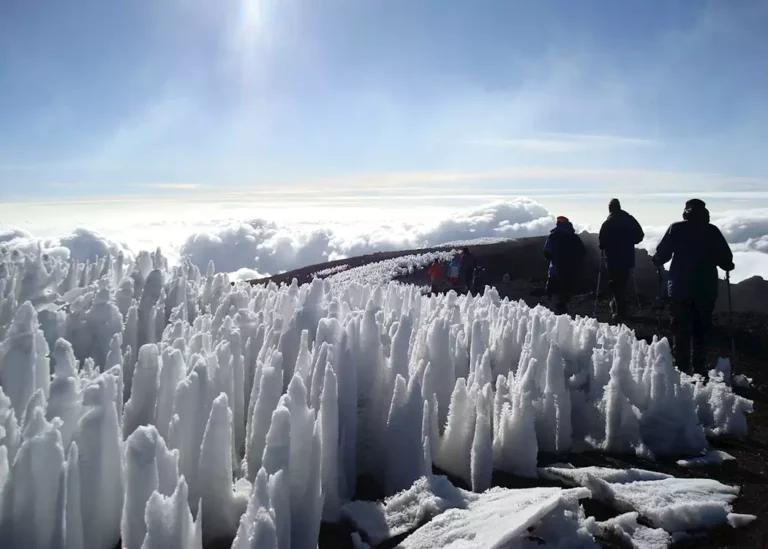
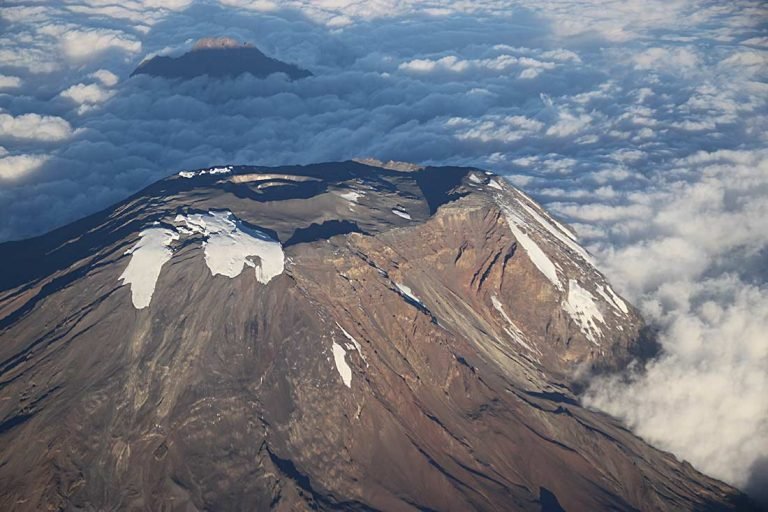
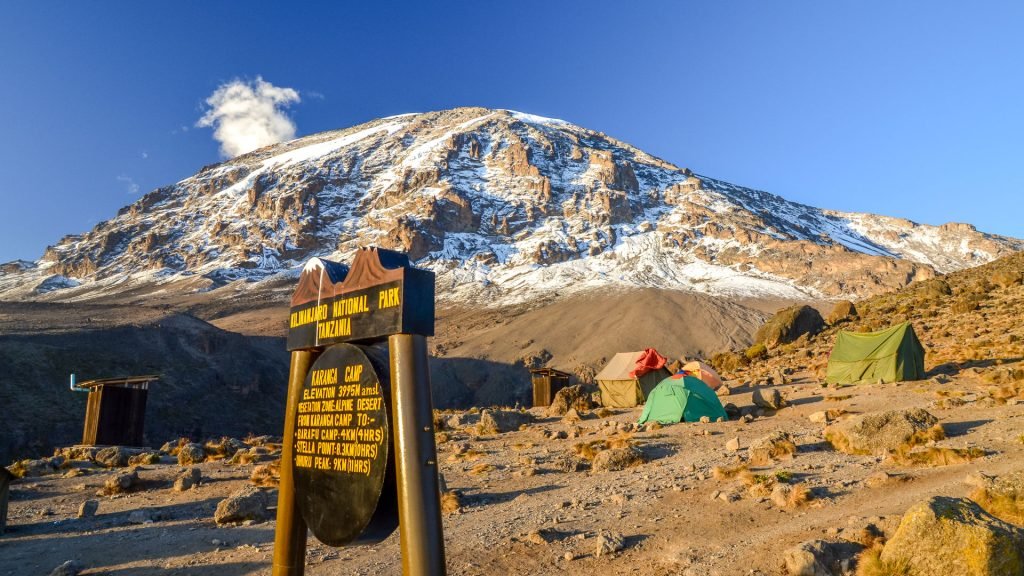
The journey to the summit, Uhuru Peak, is a trek through five distinct ecological zones—ranging from lush tropical rainforests at the base to an arctic stone scree and glaciers at the top. This biological diversity makes a Kilimanjaro tour one of the most unique natural experiences on earth. Because the mountain creates its own weather patterns, climbers must be prepared for everything from humid jungle heat to sub-zero summit temperatures. Success on the mountain is largely a matter of “Pole Pole” (Swahili for slowly, slowly), allowing your body the necessary time to acclimate to the thinning air.

Best Routes for Climbing Mount Kilimanjaro

Choosing the right path is the most critical decision for your trek. While all Kilimanjaro routes lead to the same summit, they vary significantly in scenery, difficulty, and acclimatization profiles. Selecting a longer itinerary often results in a higher success rate.

  • Machame Route

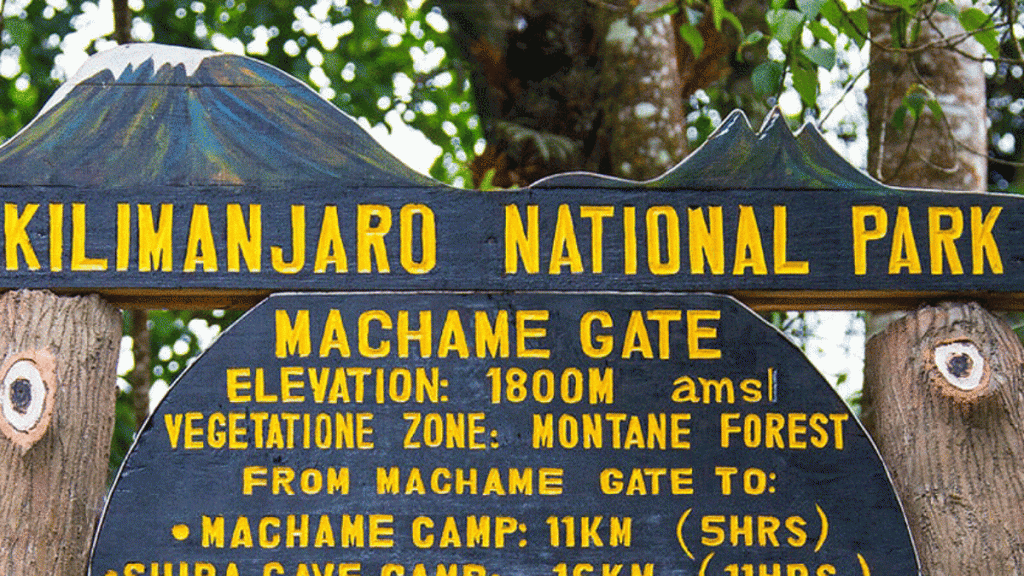
Commonly known as the “Whiskey Route,” the Machame Route is arguably the most popular path for Kilimanjaro trekking. It is favored for its “climb high, sleep low” topography, which is ideal for altitude adaptation.

Duration: 6 or 7 days (7 days highly recommended).

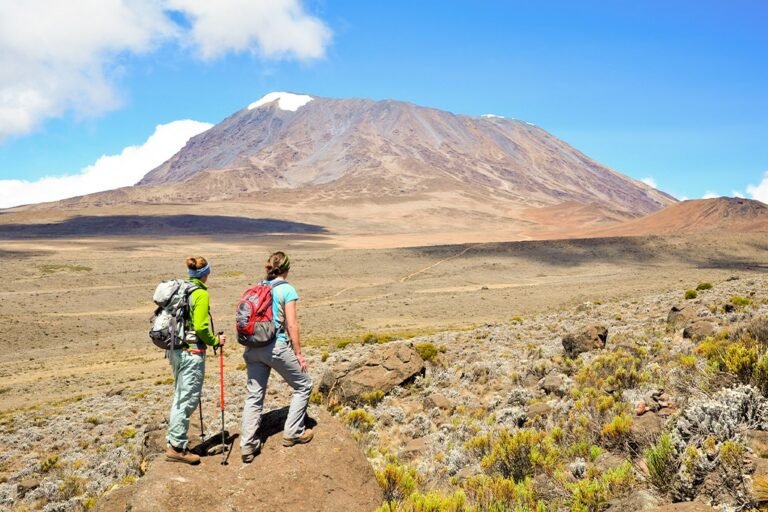
Landscape: Offers stunning views of the Shira Plateau and the dramatic Barranco Wall.

Best For: Trekkers seeking a scenic, adventurous challenge with high success rates.

  • Lemosho Route

The Lemosho Route is widely considered the most beautiful trail on the mountain. Starting from the west, it begins in a remote rainforest where wildlife sightings are more common before crossing the vast Shira Plateau.

Duration: 7 to 8 days.

Landscape: Unmatched panoramic views and diverse volcanic features.

Best For: Travelers prioritizing scenery, a quieter trail, and the best possible acclimatization.

  • Marangu Route

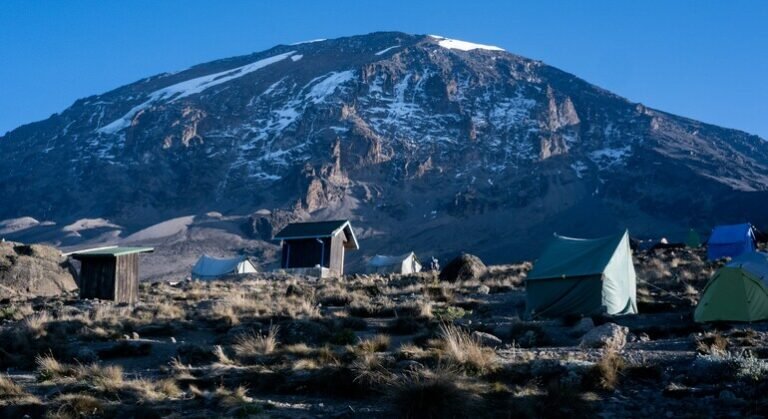
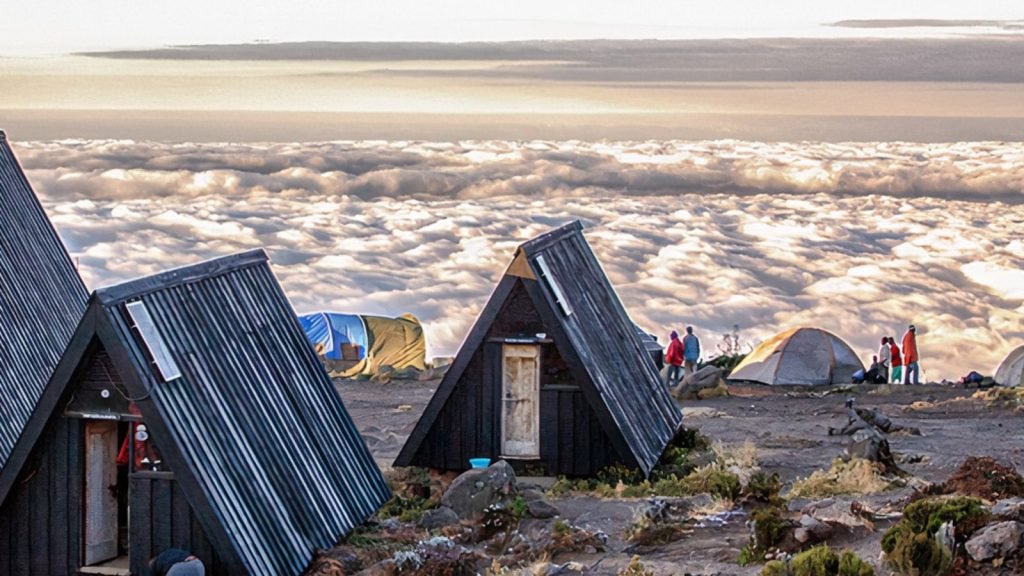
The “Coca-Cola Route” is the oldest and most established path. It is unique as the only route offering shared hut accommodations instead of camping, providing a shield from the elements.

Duration: 5 or 6 days.

Landscape: A steady, direct ascent through the forest and alpine desert.

Best For: Climbers who prefer sleeping in huts rather than tents, though the shorter duration can make acclimatization more difficult.

Kilimanjaro Tours

Kilimanjaro Hiking Lemosho Route Tanzania Joyous Time

1 Days

Kilimanjaro Lemosho Day Trip

Mt. Kilimanjaro, Day Trip

From $600

Per person per tour

VIEW THIS TRIP

1 Days

Kilimanjaro Day Trip

Mt. Kilimanjaro

From $350

Per person per tour

VIEW THIS TRIP

Horombo Hut Climb Via Marangu Route

6 Days

Kilimanjaro Climb via Marangu Route

Mt. Kilimanjaro

From $2750

Per person per tour

VIEW THIS TRIP

Kilimanjaro Trekking

7 Days

Kilimanjaro Climb via Rongai Route

Mt. Kilimanjaro

From $2979

Per person per tour

VIEW THIS TRIP

Mount Meru Trek Summit Tanzania Joyous Time Expedition

3 Days

Mount Meru Climb via Momella Route

Mt. Meru

From $879

Per person per tour

VIEW THIS TRIP

Kilimanjaro Machame Route

7 Days

Mount Kilimanjaro Climb via Machame Route

Mt. Kilimanjaro

From $2850

Per person per tour

VIEW THIS TRIP

Karanga Camp Joyous Time Expedition

8 Days

Lemosho Route Kilimanjaro Trek

Mt. Kilimanjaro

From $2270

Per person per tour

VIEW THIS TRIP

7 Days

Kilimanjaro Climb via Umbwe Route

Mt. Kilimanjaro

From $1850

Per person per tour

VIEW THIS TRIP

4 Days

Mount Meru Climb

Mt. Meru

From $1000

Per person per tour

VIEW THIS TRIP

Top Reasons to Climb Kilimanjaro

Mount Kilimanjaro may be renowned for its towering heights, but there are countless other reasons why this iconic mountain is celebrated as a 5-star adventure destination.

Scenery & Landscape

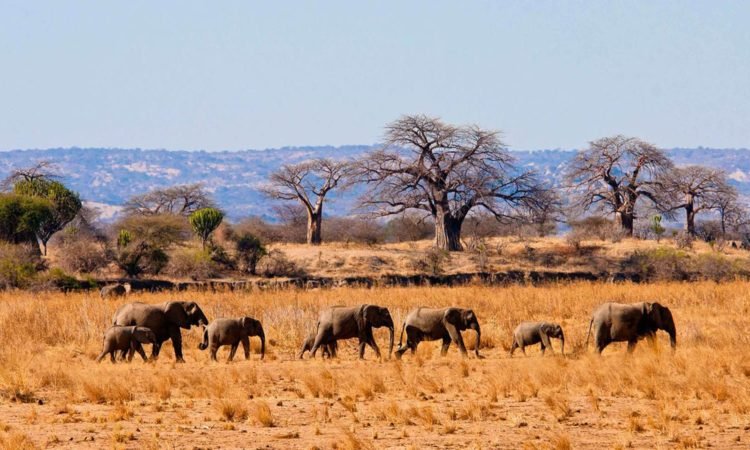
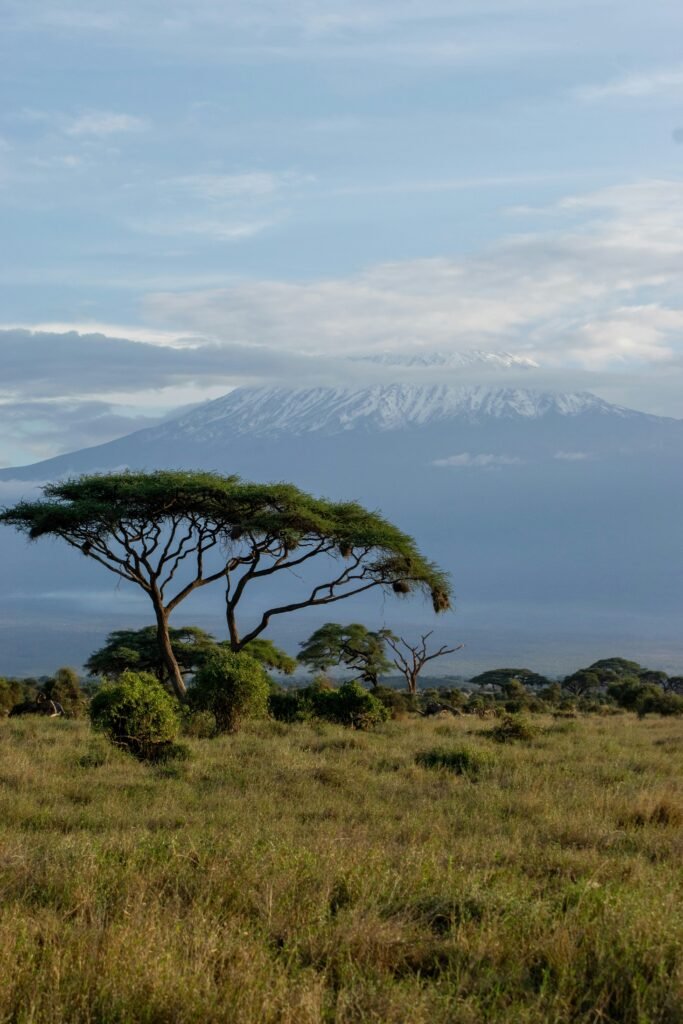
From glistening snowfields at Kilimanjaro’s peak to dense rainforests, the mountain offers a breathtaking journey through nature’s wonders. Whether ascending the summit or admiring the African plains below, every view leaves climbers inspired. Experience the ultimate Tanzania luxury safari.

Guided treking

Experience the ultimate Mount Kilimanjaro trekking adventure with our expert guides. Whether you choose a luxury trek with premium camps or a rugged adventure, we prioritize safety and success. Master the best Kilimanjaro routes and reach the summit for a truly remarkable journey.

Photography

Capture stunning Kilimanjaro trekking photos with expert guides on off-the-beaten-path trails. From golden sunrises over Kibo to unique alpine plants and authentic Maasai interactions, every moment is a picture-perfect memory. Experience the ultimate photography journey in Tanzania.

Kilimanjaro Trekking FAQs

The best time to trek Mount Kilimanjaro is during the dry seasons, which are from January to March and June to October. These months offer clearer skies and more favorable weather conditions for hiking.

For maximum safety and success, the Lemosho Route (8 days) and the Northern Circuit (9 days) are statistically superior. These itineraries utilize a “climb high, sleep low” strategy, allowing the body more time to acclimate to the thinning oxygen levels. Longer routes consistently boast success rates above 90%, whereas shorter 5 or 6-day paths like the Marangu route often see much lower success due to the rapid gain in altitude.

No, summiting Kilimanjaro is a trekking expedition rather than a technical climb. It is often described as a “walk-up” mountain because it does not require ropes, harnesses, or ice axes on standard routes. However, it is physically demanding; climbers must be in good cardiovascular shape and prepared to hike 6–8 hours daily across steep, rocky terrain. Mental resilience and a slow, steady pace known locally as “Pole Pole”—are the true secrets to success.

A comprehensive Kilimanjaro trekking kit must include moisture-wicking base layers, a heavy-duty down jacket, and broken-in waterproof hiking boots. You will pass through five ecological zones, so “layering” is essential to manage temperatures ranging from 30°C in the rainforest to -20°C at the summit. Don’t forget high-SPF sunscreen, polarized sunglasses to prevent snow blindness, and a 2-3 liter hydration system, as staying hydrated is the best natural defense against altitude sickness.

Yes, altitude sickness can be a concern as you ascend. To minimize the risk, it’s crucial to acclimatize properly by ascending slowly, staying hydrated, and listening to your body.

The ideal windows for hiking Mount Kilimanjaro are during the two dry seasons: January to mid-March and June to October. These periods offer the clearest skies, most stable weather, and best visibility for summit photography. While the June-October peak is popular, the January-March season is often slightly warmer and offers lush green scenery at the mountain’s base, making it a favorite for those seeking a balance of good weather and fewer crowds.