Great Migration Guide Tanzania 2026
The Ultimate Guide to the Great Wildebeest Migration in Serengeti National Park
What Is the Great Migration?
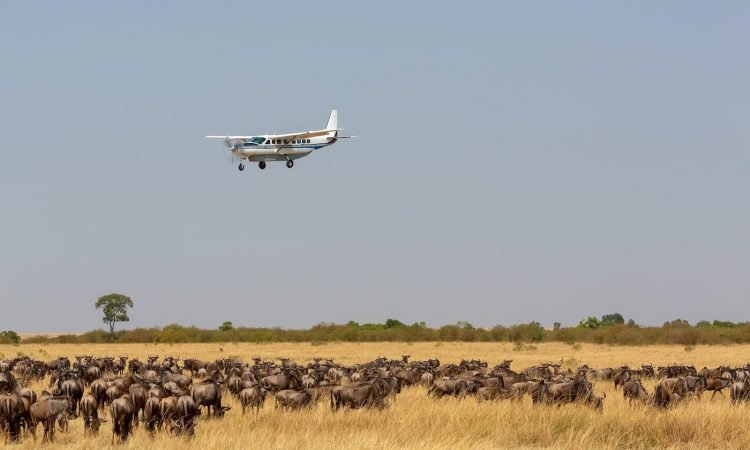
The Great Migration is one of the most spectacular wildlife events on Earth and the highlight of many Tanzania safaris. Every year, more than 1.5 million wildebeests, accompanied by hundreds of thousands of zebras and gazelles, move across the vast Serengeti ecosystem in search of fresh grazing and water.
This continuous journey covers approximately 800 to 1,000 kilometers through the ecosystem that includes both Serengeti National Park and the Maasai Mara National Reserve.
The migration is driven by seasonal rainfall patterns and provides visitors with unforgettable opportunities to witness predator-prey interactions, river crossings, and massive wildlife concentrations.
Why Is the Great Migration So Famous?
The Great Migration is considered one of the Seven Natural Wonders of Africa because of its scale and dramatic wildlife encounters.
Migration Highlights
Over 1.5 million wildebeests
More than 250,000 zebras
Hundreds of thousands of gazelles
Massive crocodile-filled river crossings
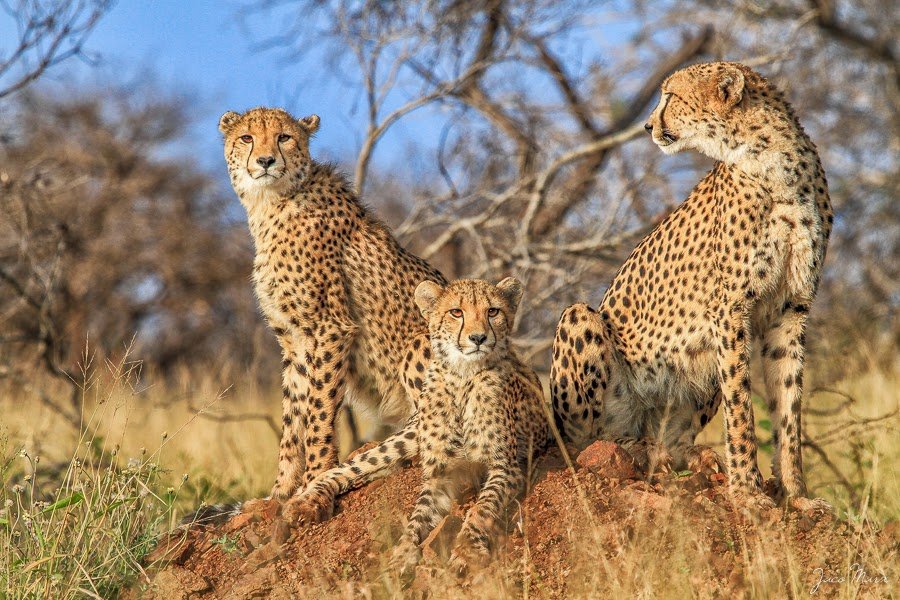
High concentrations of lions, leopards, cheetahs, and hyenas
Exceptional wildlife photography opportunities
No other wildlife event in the world compares to the size and spectacle of the Great Migration.
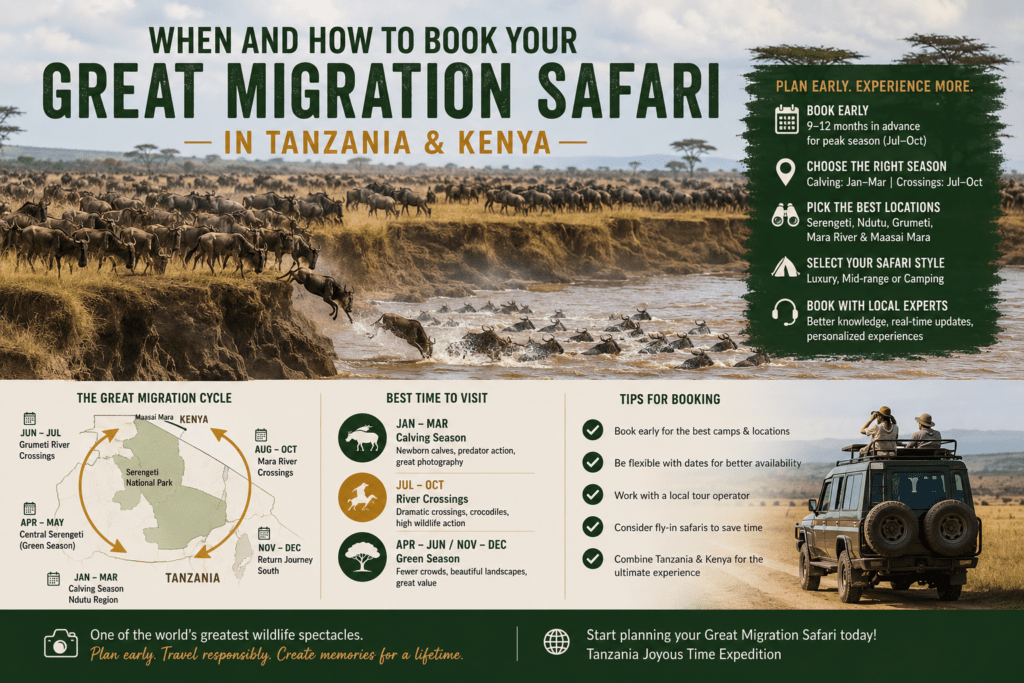
Great Migration Calendar Month by Month
January to March: Ndutu Calving Season
The migration gathers in the southern Serengeti and Ndutu region.
What Happens?
Thousands of wildebeest calves are born daily
More than 500,000 calves may be born during the season
Predators become highly active
Excellent photography opportunities
Best Areas
Ndutu Plains
Southern Serengeti
Ngorongoro Conservation Area
This is one of the best times for travelers who want to see predator action and newborn wildlife.
April to May: Green Season Migration
As rainfall patterns change, the herds begin moving northwest.
What Happens?
Herds move through central Serengeti
Beautiful green landscapes
Fewer tourists
Lower accommodation rates
Best Areas
Central Serengeti
Moru Kopjes
Seronera Valley
This period is ideal for travelers seeking quieter safari experiences.
June to July: Grumeti River Crossings
The migration reaches the western corridor.
What Happens?
Herds cross the Grumeti River
Crocodile encounters increase
Predator activity remains strong
Best Areas
Western Corridor
Grumeti Region
This period offers dramatic wildlife viewing before the famous Mara River crossings.
August to October: Mara River Crossings
This is the most famous phase of the migration.
What Happens?
Massive river crossings
Crocodile attacks
Intense wildlife drama
Exceptional photography conditions
Best Areas
Northern Serengeti
Kogatende
Mara River Region
Many travelers specifically plan their safari around this period.
November to December: Return Journey
Short rains begin and the migration starts moving south again.
What Happens?
Herds move through eastern and central Serengeti
Fresh grazing becomes available
Excellent wildlife viewing continues
Best Areas
Central Serengeti
Eastern Serengeti
This period marks the beginning of the migration cycle once again.
Best Time to See the Great Migration
The best time depends on the experience you want.
For Calving Season
January – March
Best for:
Newborn animals
Predator activity
Photography
For River Crossings
July – October
Best for:
Mara River crossings
Crocodile encounters
Dramatic wildlife action
For Smaller Crowds
April – May
Best for:
Green landscapes
Lower prices
Fewer visitors
Animals You Will See During the Great Migration
A Great Migration safari offers incredible wildlife diversity.
Predators
Lions
Leopards
Cheetahs
Hyenas
African wild dogs (occasionally)
Herbivores
Wildebeests
Zebras
Thomson’s gazelles
Grant’s gazelles
Topi
Eland
Other Wildlife
Elephants
Giraffes
Buffaloes
Hippos
Crocodiles
The migration supports one of the highest predator densities in Africa.
Best Great Migration Safari Packages
4-Day Migration Safari
Perfect for travelers with limited time.
Includes:
Serengeti game drives
Migration tracking
Professional guide
6-Day Migration Safari
Offers more time to explore different migration regions.
Includes:
Central Serengeti
Northern Serengeti
Migration hotspots
8-Day Great Migration Safari
Ideal for photographers and wildlife enthusiasts.
Includes:
Extended game drives
Flexible migration tracking
Luxury or mid-range accommodation
Great Migration Photography Tips
To capture amazing wildlife images:
Use a zoom lens (200–400mm)
Carry spare batteries
Shoot during early morning and late afternoon
Use continuous autofocus for moving animals
Be patient during river crossings
The migration offers some of the best wildlife photography opportunities in the world.
Combining the Great Migration with Other Destinations
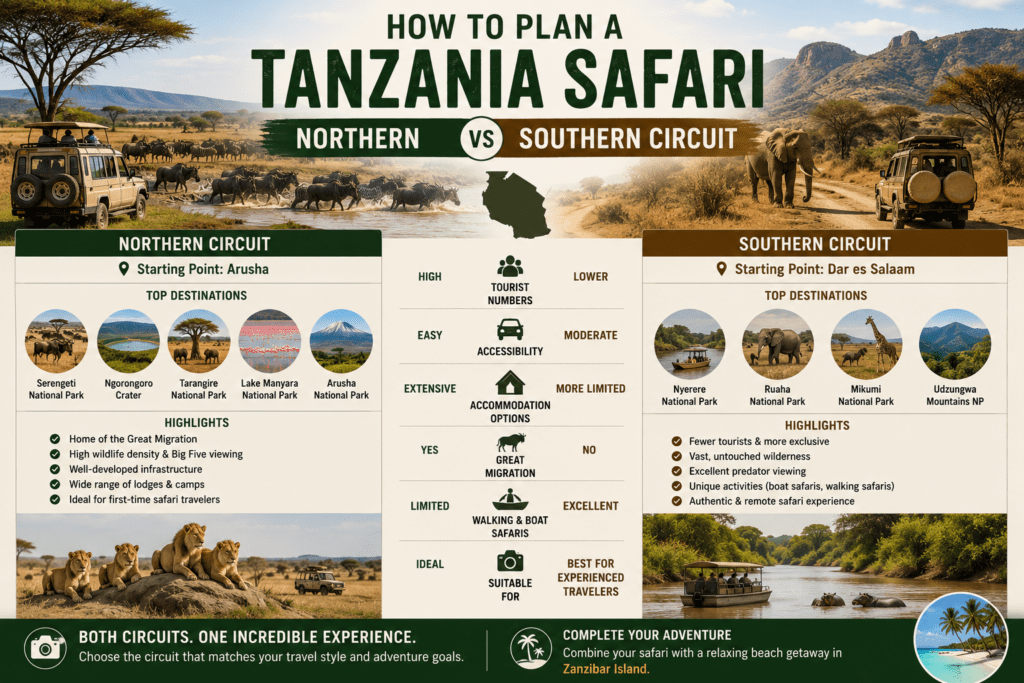
Many travelers combine the migration with:
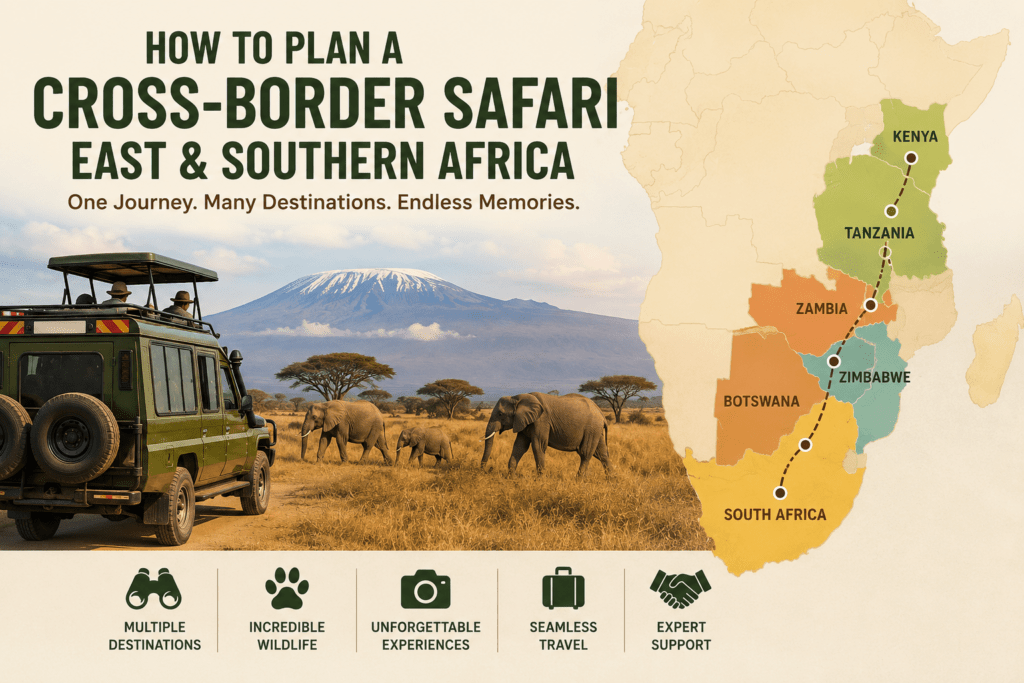
Ngorongoro Crater
Tarangire National Park
Lake Manyara National Park
Zanzibar Island
This creates a complete Tanzania safari and beach holiday experience.
Frequently Asked Questions About the Great Migration
What is the best month to see the Great Migration?
August through October is best for river crossings, while January through March is best for calving season.
Does the migration happen every year?
Yes. The migration is a continuous annual cycle driven by rainfall and grazing conditions.
How many animals participate?
More than 1.5 million wildebeests, along with hundreds of thousands of zebras and gazelles.
Can I see the Big Five during a migration safari?
Yes. Many Great Migration safaris also provide opportunities to see lions, elephants, buffaloes, leopards, and rhinos.
How many days do I need?
A minimum of 4 days is recommended, while 6–8 days provides a more complete experience.
Plan Your Great Migration Safari Today
The Great Migration is one of nature’s most extraordinary spectacles and a dream experience for wildlife lovers, photographers, and adventure travelers. Whether you want to witness the Ndutu calving season, dramatic river crossings, or endless herds stretching across the Serengeti plains, Tanzania offers unforgettable safari experiences throughout the year.
Contact Tanzania Joyous Time Expedition today to plan your personalized Great Migration safari and experience one of the world’s greatest wildlife adventures.