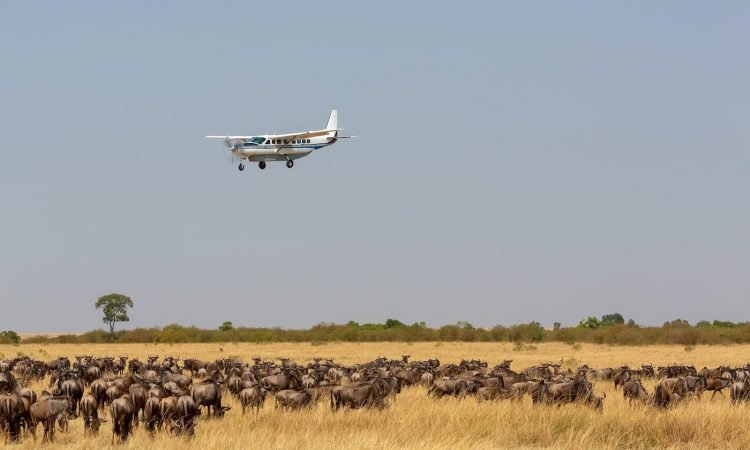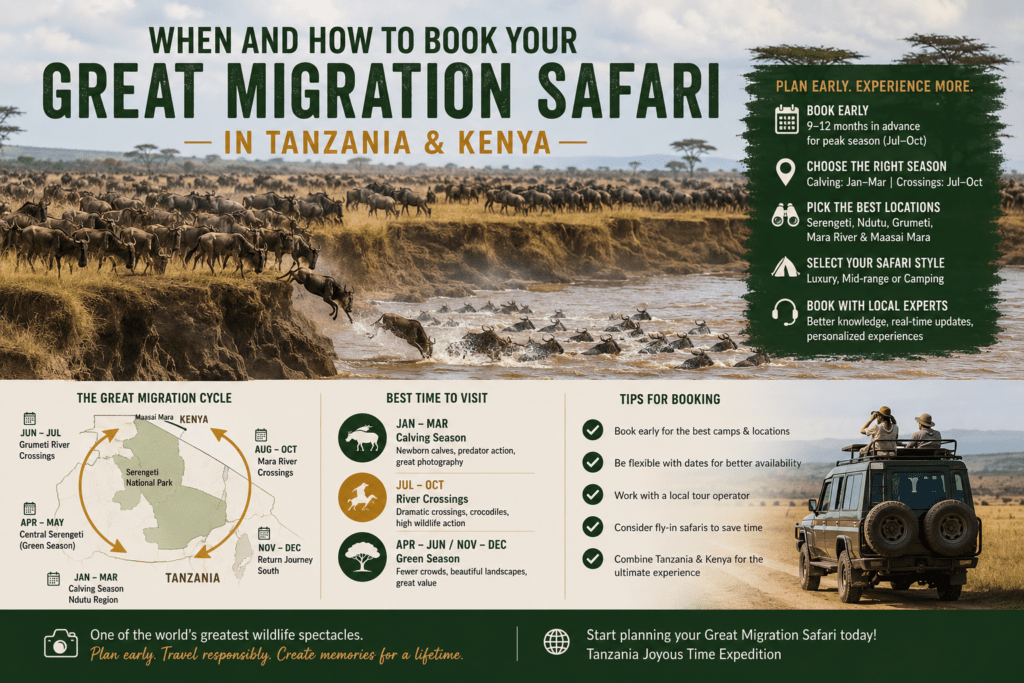

A Tanzania safari is one of the most rewarding wildlife experiences in Africa. From the elephant-filled plains of Tarangire to the spectacular landscapes of Ngorongoro and the vast wilderness of the Serengeti, Tanzania offers exceptional opportunities to experience wildlife in its natural environment.
However, choosing the right safari itinerary is only part of planning a successful trip. The vehicle, guide, timing, accommodation, connectivity, packing and even small practical details can have a major impact on the overall experience.
For travelers planning their first safari in Tanzania, the following 17 practical Tanzania safari tips can help make the journey more comfortable, enjoyable and memorable.
The safari vehicle is one of the most important parts of the entire experience.
Guests spend many hours inside the vehicle during game drives, and some journeys between destinations can take several hours. Because Tanzania’s safari roads can be rough and dusty, vehicle quality directly affects comfort.
A well-maintained Toyota Land Cruiser safari vehicle is a popular choice for Tanzania safaris because it is designed to handle challenging road conditions while providing good visibility for wildlife viewing.
When choosing a safari company, ask about the vehicle and check whether it includes:
A comfortable vehicle becomes particularly important during long game drives of eight to ten hours or more.
A professional safari guide can have a significant influence on the quality of a safari.
A good guide does not simply drive from one animal sighting to another. The best guides understand wildlife behavior, animal movements, habitats and the seasonal changes within the parks.
Seeing an animal is exciting, but watching it behave naturally is what makes a safari truly special.
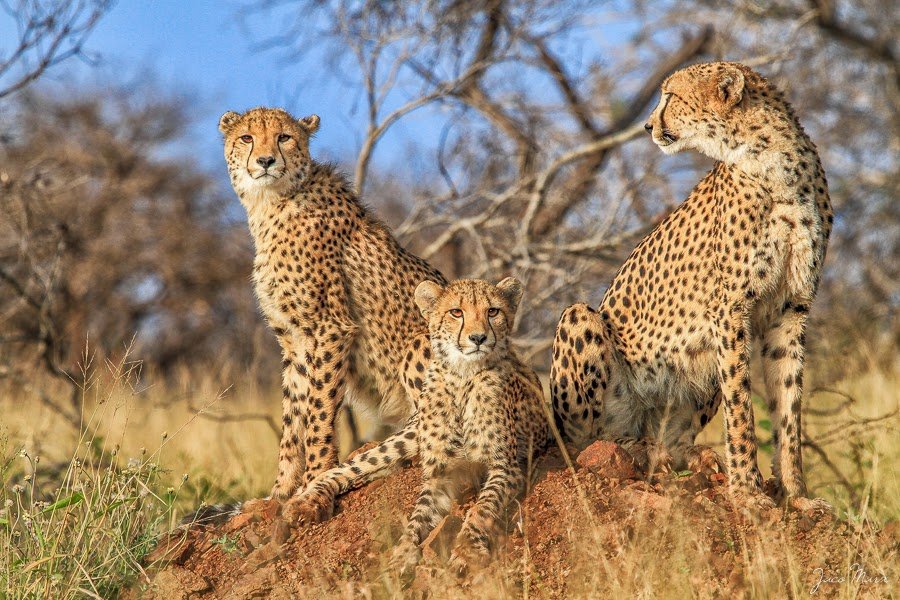
A lion stalking prey, a leopard moving through tall grass, cheetahs interacting, elephants communicating or wildebeest preparing to cross a river can create far more memorable experiences than simply seeing the animal from a distance.
Before the safari begins, discuss wildlife interests with the guide.
For example, travelers may be particularly interested in:
Communication should continue throughout the safari. If a particular wildlife experience is important, let the guide know.
An experienced guide can use knowledge of the area, animal behavior and information from other guides to improve the chances of finding interesting wildlife activity.
When a specific guide has an excellent reputation, travelers can also ask the safari operator whether that guide can accompany them throughout the entire trip.
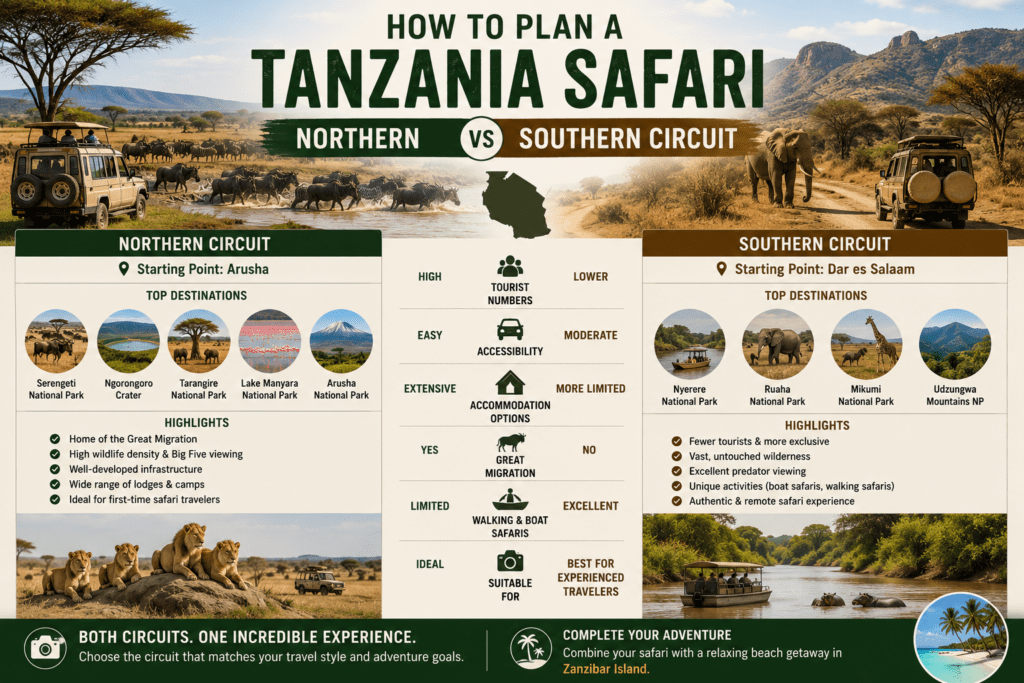
A long safari can be wonderful, but travelers do not necessarily need two weeks to experience Tanzania’s major highlights.
For many first-time visitors, five to seven full safari days can provide an excellent introduction to Northern Tanzania.
A possible Northern Circuit itinerary could include:
The ideal number of nights depends on the season, wildlife interests and budget.
Travelers should also consider whether spending the first night in Arusha is necessary. Depending on flight arrival times and the itinerary, beginning the journey toward the safari areas earlier can provide additional time for wildlife viewing.
The objective should not simply be to add more nights. It should be to create an itinerary that provides enough time in the right areas.
Online reviews can be useful when comparing safari companies, but they should not be the only factor used to make a decision.
Platforms such as Google, TripAdvisor and SafariBookings can provide useful information about customer experiences. However, travelers should read reviews carefully and look for specific details rather than simply counting the number of stars.
Pay particular attention to reviews mentioning:
Look for repeated positive comments about specific guides, including their knowledge, communication, driving ability and understanding of wildlife.
Look for information about vehicle comfort, cleanliness, air conditioning, mechanical condition and reliability.
Make sure the itinerary actually provides sufficient time inside the national parks rather than spending too much time driving between destinations.
Accommodation is important, but the guide and vehicle often have a much greater influence on the daily safari experience.
Travelers finishing their safari in Northern Serengeti should consider flying from Kogatende Airstrip instead of automatically driving back to Arusha.
The Northern Serengeti is a long distance from Arusha by road. A domestic flight can save considerable travel time and may allow travelers to enjoy additional time on their final game drive.
Flights can also be useful for travelers connecting to:
International flight schedules should be provided to the safari operator well in advance. This allows the final day to be planned around the actual departure time.
Travelers should check Tanzania’s current visa requirements before departure and use the official immigration process.
Depending on nationality and current regulations, travelers may have the option of applying for a visa online or obtaining a visa on arrival.
Immigration waiting times can vary considerably depending on the number of arriving passengers and flights.
The most important recommendation is to allow sufficient time, prepare the required documents and follow the official process.
There is no need to make unofficial payments to immigration officials to speed up the process.
Mobile connectivity is useful during a safari for communication, navigation, photography and travel information.
Travelers can consider purchasing a local SIM card after arriving in Tanzania or using an international eSIM.
Several mobile networks operate in Tanzania, although coverage varies depending on location.
Connectivity is generally available in towns and many safari areas, but some remote sections of the Serengeti may have limited or no network coverage.
For travelers who mainly need messaging, email and occasional social media use, a relatively small data package may be sufficient.
Those planning to upload large videos or work remotely may require more data.
Travelers who need Tanzanian shillings can use ATMs in major towns and at airports.
ATM fees and withdrawal limits vary, so it is useful to check the terms of the bank card before traveling.
A debit card that offers low or reimbursed international ATM fees can reduce unnecessary costs.
It is also advisable to carry some U.S. dollars in good condition, particularly for tips and small purchases. Travelers should check current currency and payment recommendations before departure.
Small denominations can make tipping much easier during a Tanzania safari.
Carrying $1 and other small-value bills can be useful for luggage assistance and other small tips.
It is better to prepare a tipping budget before the trip rather than trying to find small notes during the safari.
Travelers should also discuss tipping expectations with their safari operator before departure so they understand customary practices.
Safari clothing does not need to be expensive or fashionable.
Dust is part of the experience, particularly during dry-season game drives and long journeys on unpaved roads. Comfortable, lightweight and practical clothing is usually the best choice.
Recommended items include:
Neutral and earthy colors are often preferred for wildlife viewing.
There is generally no need for expensive shoes or large amounts of clothing.
Save smart-casual outfits for evenings at lodges and camps.
Binoculars can dramatically improve wildlife viewing.
Animals are not always close to the vehicle, and some of the most interesting sightings may involve wildlife several hundred meters away.
Having personal binoculars means travelers do not have to rely on equipment supplied by the safari vehicle or share binoculars with other guests.
An 8×42 binocular is a practical option for many safari travelers because it provides useful magnification while remaining relatively easy to handle.
Binoculars are particularly valuable for viewing:
Tanzania’s safari roads can be rough, particularly inside some national parks.
Long periods of driving over uneven roads can become tiring, especially for travelers with back or neck discomfort.
A small lumbar support cushion can make long journeys more comfortable.
It is also worth choosing a safari vehicle with good suspension and comfortable seating.
The expression “African massage” is often used humorously by safari travelers to describe the experience of traveling over rough roads.
Souvenir shopping can be an enjoyable part of a Tanzania trip, but travelers should not feel pressured to purchase something at every stop.
Some roadside or tourist-oriented shops may charge higher prices than established shopping locations.
If there is enough time in Arusha, travelers can compare products and prices at established cultural and craft centers.
The Cultural Heritage Centre in Arusha is one option for travelers looking for Tanzanian artwork, crafts, jewelry and other souvenirs.
Airport shops can also be useful for last-minute purchases.
The best approach is to compare prices, ask questions and choose items because they are genuinely wanted rather than because of sales pressure.
A power bank is one of the most useful small items to pack for a safari.
A smartphone may be used for:
Safari vehicles may have charging ports, but these can occasionally malfunction or become unavailable.
A fully charged power bank provides a useful backup, especially during long game drives.
Keep it in an easily accessible day bag rather than packed inside the main luggage.
Tanzania is famous for lions, elephants, leopards, buffalo and rhinos, but the wildlife experience extends far beyond the Big Five.
Birdlife is an important part of Tanzania’s ecosystems.
Travelers may encounter colorful birds around lakes, rivers, forests, grasslands and camps.
Taking time to observe birds can also make slow periods during a game drive more interesting.
For travelers interested in photography or nature, a safari should be viewed as an opportunity to understand the entire ecosystem, rather than simply collecting a checklist of famous animals.
Cultural tourism can add an important dimension to a Tanzania safari, but not every cultural experience provides the same level of authenticity.
Before booking a Maasai village or market visit, ask the safari operator what the experience actually includes.
Important questions include:
Some highly tourist-oriented visits can feel more focused on selling crafts than providing meaningful cultural interaction.
Travelers interested in Maasai culture should therefore choose experiences carefully and prioritize operators that work respectfully with local communities.
One of the most fascinating aspects of a Tanzania safari is observing how different species respond to safari vehicles.
Some predators, including lions, cheetahs and leopards, may appear relatively comfortable around vehicles and continue resting, walking, playing or hunting.
Other species, such as giraffes, zebras, wildebeest and rhinos, may be more likely to move away when vehicles approach.
Animal responses naturally vary depending on the individual animal, location and circumstances.
This is another reason why an experienced guide is so valuable.
A skilled guide understands animal behavior and knows how to position the vehicle responsibly while minimizing unnecessary disturbance.
The best wildlife encounters are not always about getting as close as possible. Sometimes the most rewarding experience is simply sitting quietly and watching natural behavior unfold.
Planning a Tanzania safari involves much more than choosing a national park and booking accommodation.
The vehicle, guide, itinerary, timing and preparation can have a major influence on the quality of the experience.
For first-time travelers, the most important priorities should be:
Most importantly, remember that a Tanzania safari is not simply about seeing as many animals as possible.
The real experience comes from being in the wilderness, understanding animal behavior, discovering different ecosystems and watching wildlife in its natural environment.
With careful planning and the right safari team, destinations such as Tarangire, Ngorongoro and the Serengeti can provide an unforgettable African wildlife adventure.
Contact Tanzania Joyous Time Expedition to get started on your safari of a lifetime!