Mount Kilimanjaro Climbing Tours | Best Routes & Trekking Packages
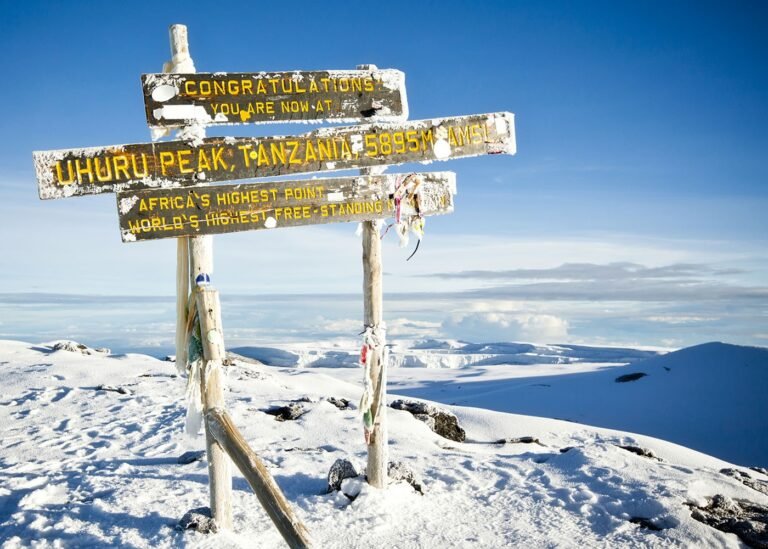
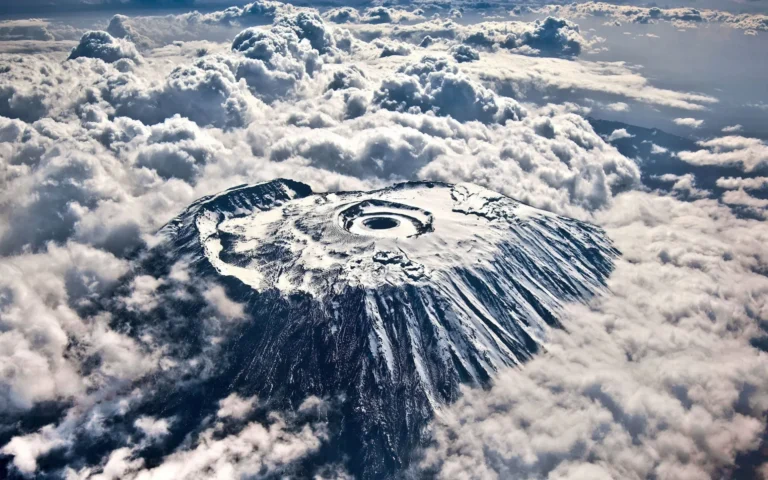
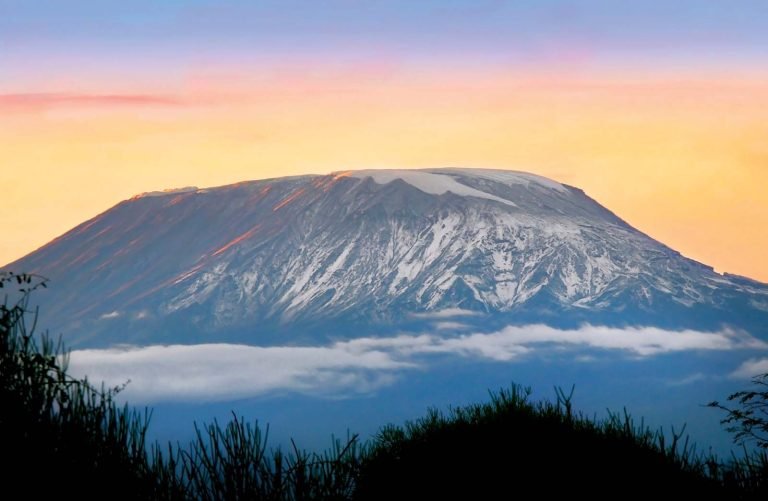
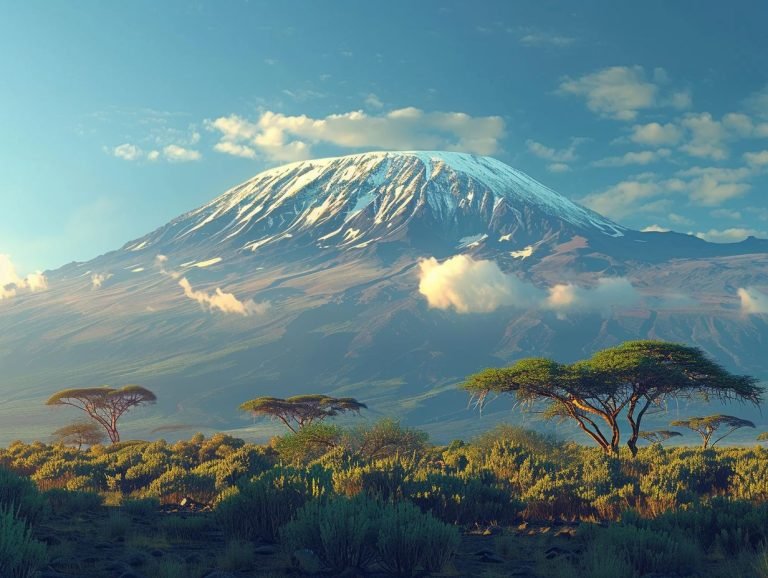
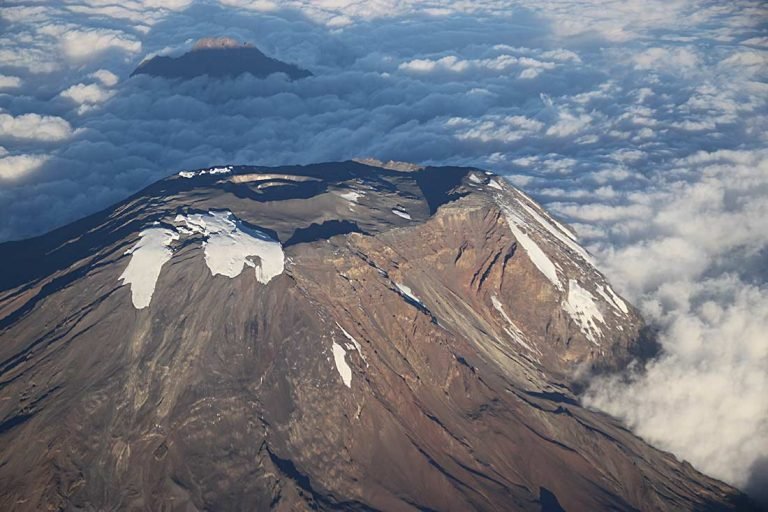
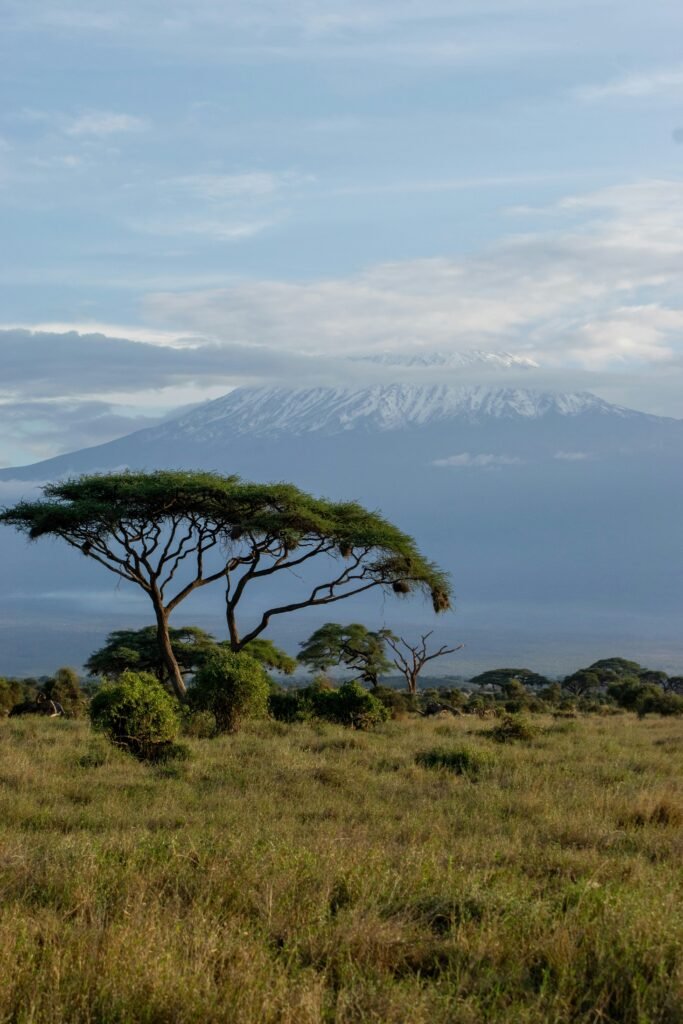
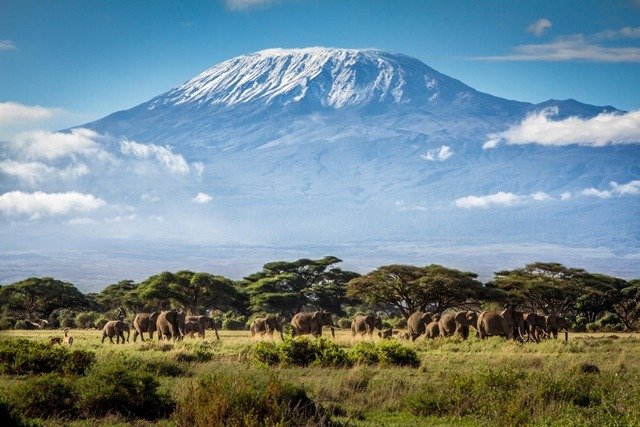
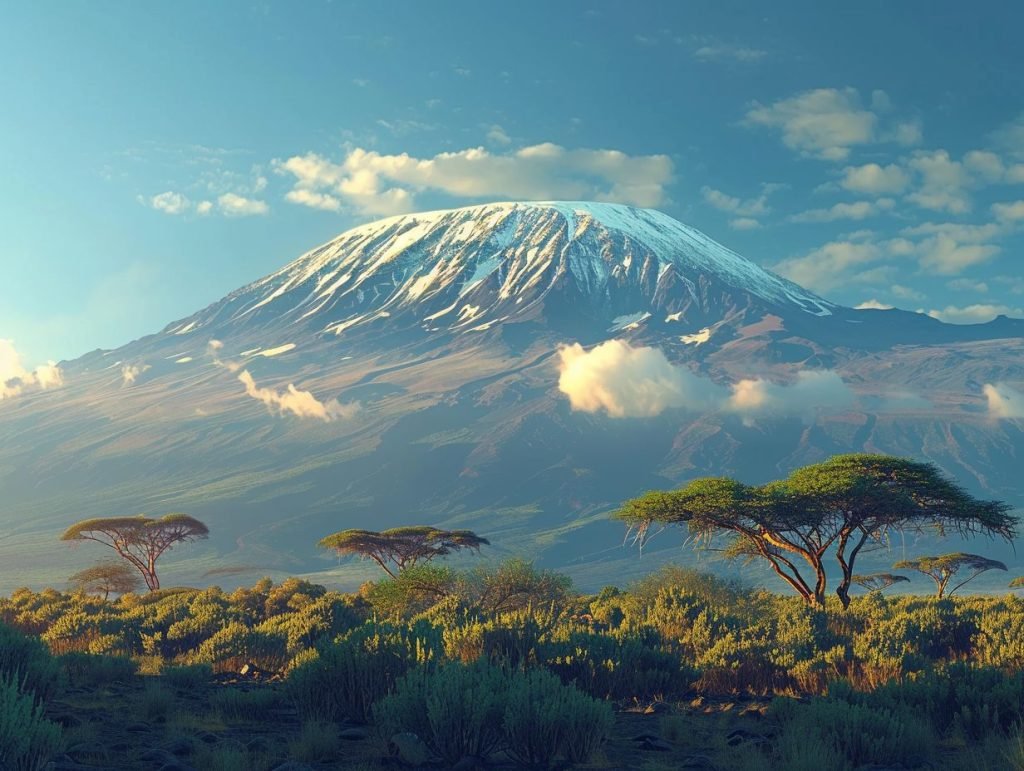
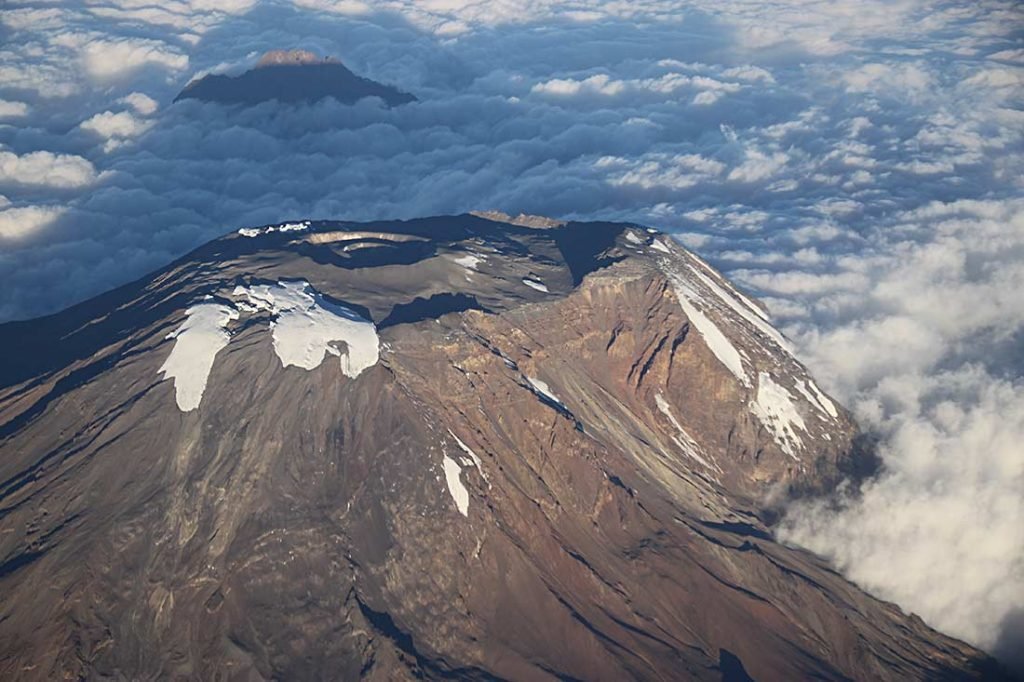
Mount Kilimanjaro is the highest mountain in Africa and one of the world’s most iconic trekking destinations, standing at 5,895 meters above sea level in northern Tanzania. Known for its breathtaking landscapes, diverse ecosystems, and unforgettable summit experience, Kilimanjaro attracts adventure travelers from around the world seeking the challenge of reaching Uhuru Peak.
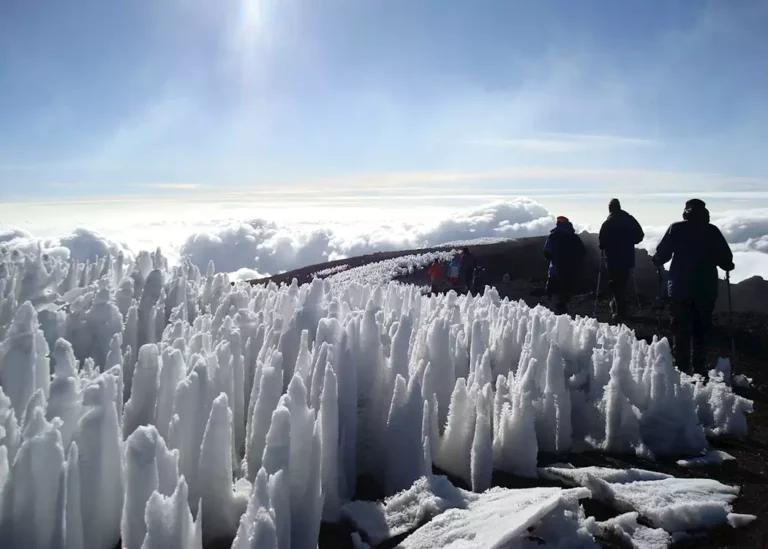
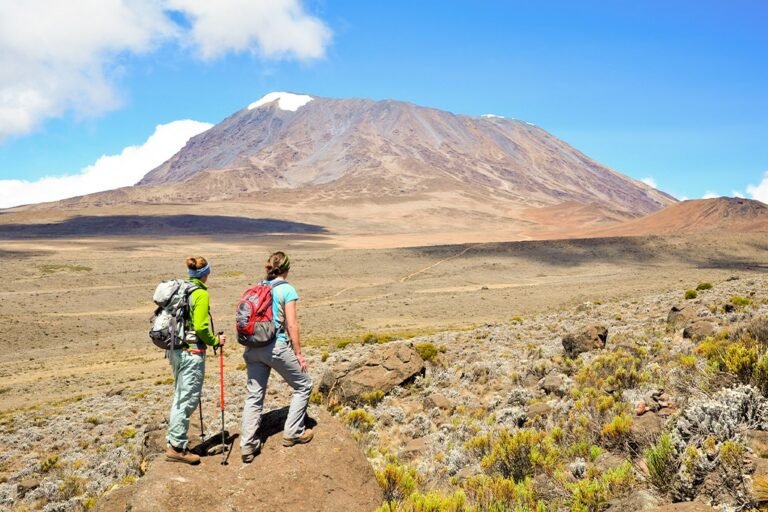
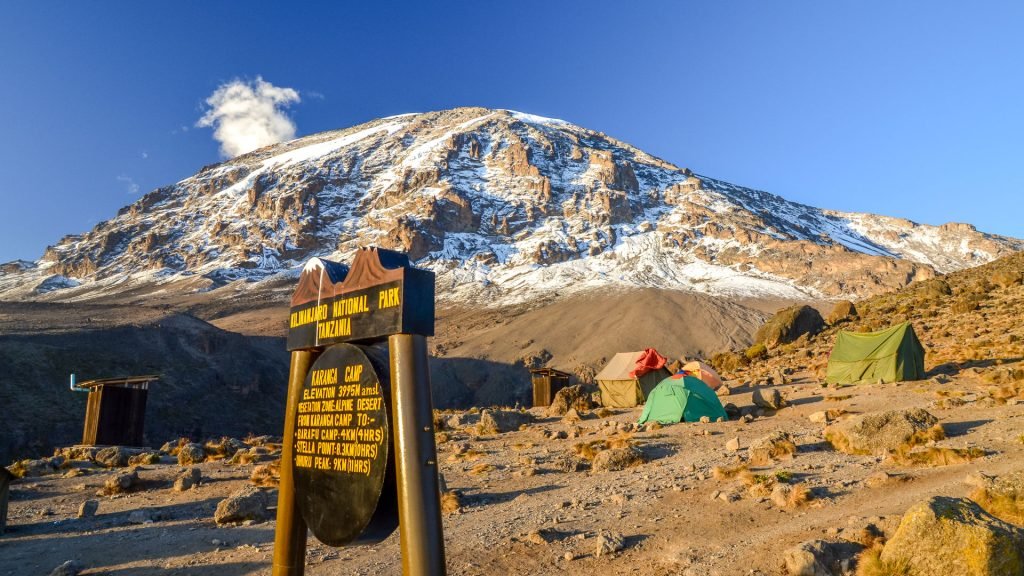
Kilimanjaro trekking offers climbers the opportunity to explore lush rainforests, alpine deserts, volcanic terrain, and snow capped glaciers all within a single journey. The mountain features several popular climbing routes including the Machame Route, Marangu Route, Lemosho Route, Rongai Route, and Northern Circuit, each providing unique scenery and trekking experiences suitable for different fitness levels and travel styles.
At Tanzania Joyous Time Expedition, we provide professionally guided Kilimanjaro climbing tours designed for safety, comfort, and summit success. Our experienced mountain guides, cooks, and porters ensure every trekker enjoys a well organized adventure while experiencing the natural beauty and cultural richness of Tanzania.
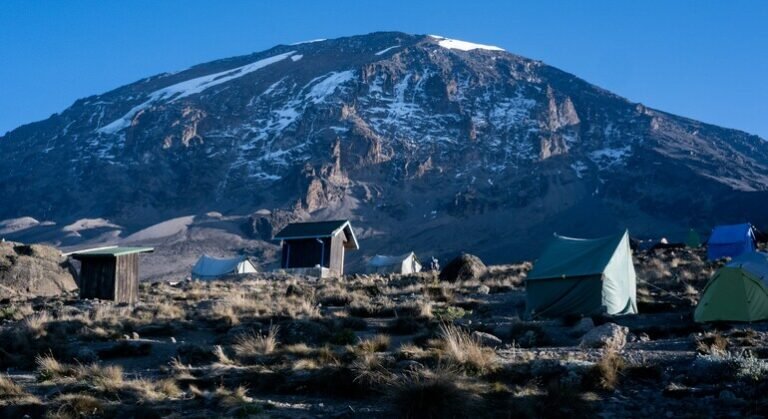
Whether you are looking for a private climb, group trekking adventure, or luxury Kilimanjaro experience, we offer customized packages that include airport transfers, mountain accommodation, camping equipment, meals, and expert support throughout your journey. The best time for Kilimanjaro trekking is during the dry seasons from January to March and June to October when weather conditions are ideal for climbing.
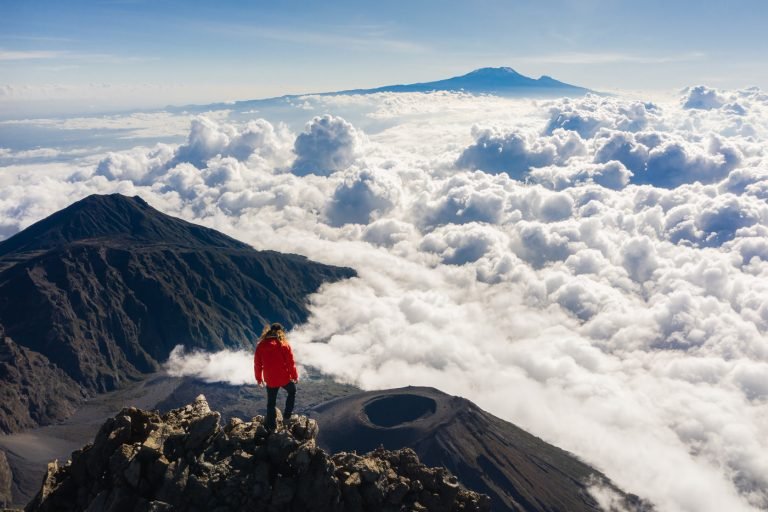
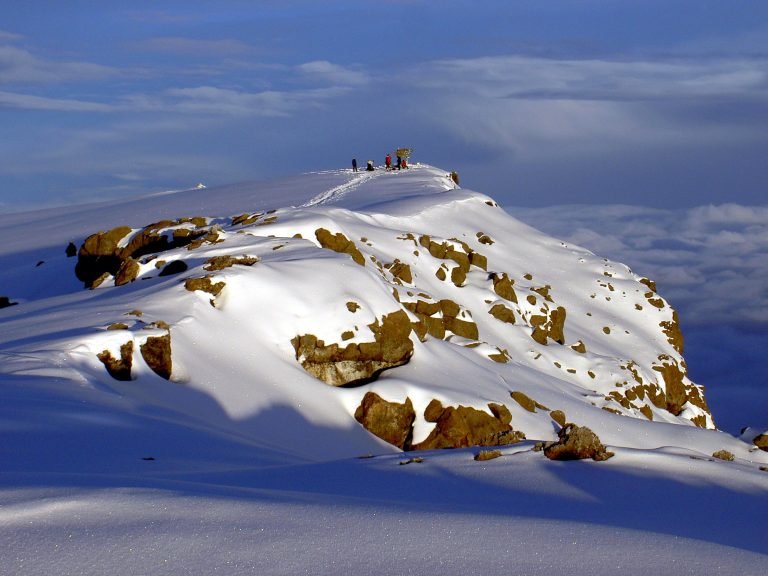
Climbing Mount Kilimanjaro is more than just a hike; it is a life changing adventure that rewards trekkers with spectacular sunrise views above the clouds and the incredible achievement of standing on the Roof of Africa.
Popular Kilimanjaro Climbing Routes
Choosing the right path is the most critical decision for your trek. While all Kilimanjaro routes lead to the same summit, they vary significantly in scenery, difficulty, and acclimatization profiles. Selecting a longer itinerary often results in a higher success rate.
Machame Route
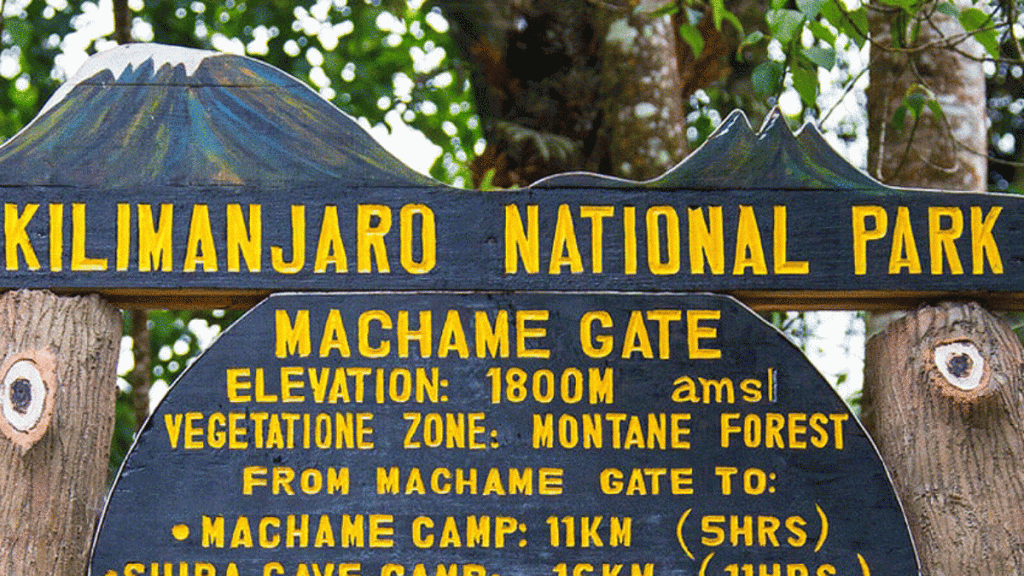
Commonly known as the “Whiskey Route,” the Machame Route is arguably the most popular path for Kilimanjaro trekking. It is favored for its “climb high, sleep low” topography, which is ideal for altitude adaptation.
Duration: 6 or 7 days (7 days highly recommended).
Landscape: Offers stunning views of the Shira Plateau and the dramatic Barranco Wall.
Best For: Trekkers seeking a scenic, adventurous challenge with high success rates.
Lemosho Route
The Lemosho Route is widely considered the most beautiful trail on the mountain. Starting from the west, it begins in a remote rainforest where wildlife sightings are more common before crossing the vast Shira Plateau.
Duration: 7 to 8 days.
Landscape: Unmatched panoramic views and diverse volcanic features.
Best For: Travelers prioritizing scenery, a quieter trail, and the best possible acclimatization.
Marangu Route
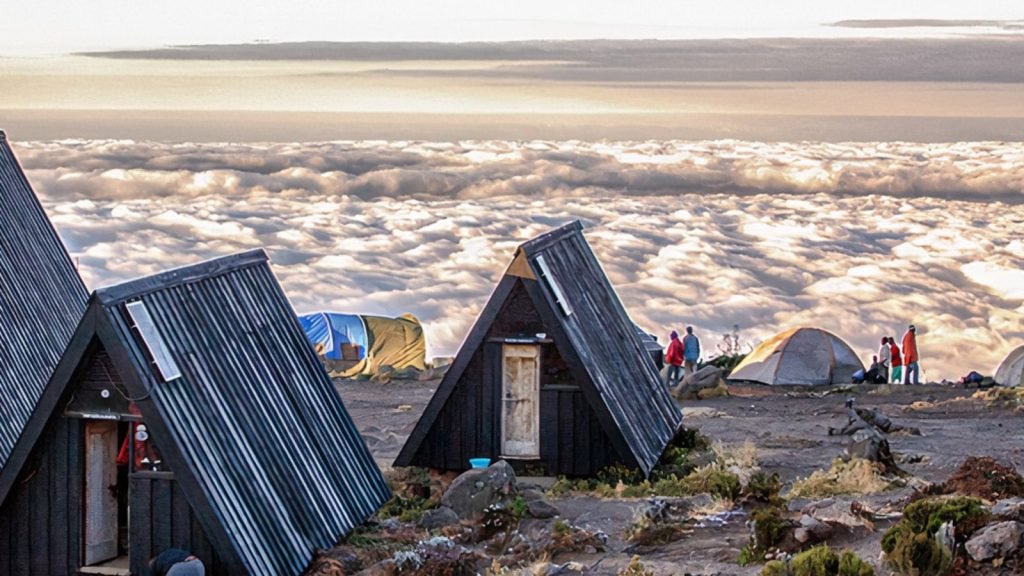
The “Coca-Cola Route” is the oldest and most established path. It is unique as the only route offering shared hut accommodations instead of camping, providing a shield from the elements.
Duration: 5 or 6 days.
Landscape: A steady, direct ascent through the forest and alpine desert.
Best For: Climbers who prefer sleeping in huts rather than tents, though the shorter duration can make acclimatization more difficult.