When and How to Book Your Great Migration Safari in Tanzania & Kenya
Plan the Ultimate Great Migration Safari Experience
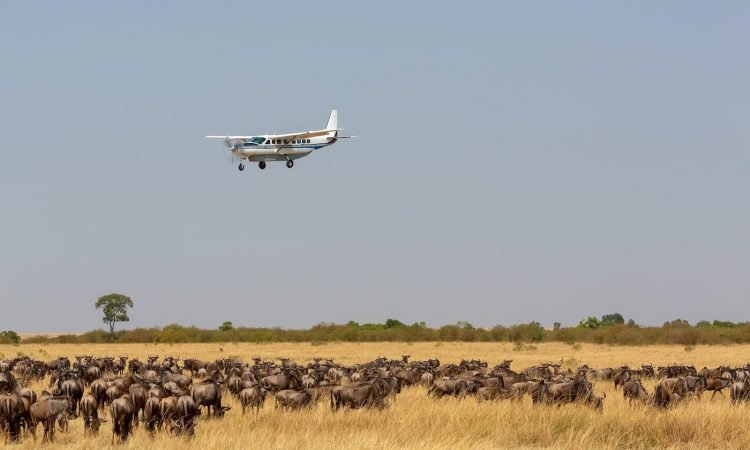
The Great Migration Safari in Tanzania and Kenya is one of the world’s most extraordinary wildlife adventures. Every year, millions of wildebeests, zebras, and gazelles travel across the Serengeti-Mara ecosystem in search of fresh grazing land and water. This spectacular journey attracts travelers from around the globe who want to witness dramatic river crossings, predator action, and vast herds stretching across the African plains.
However, timing is everything. Knowing when and how to book your Great Migration Safari in Tanzania and Kenya can make the difference between a good safari and an unforgettable wildlife experience.
What Is the Great Migration?
The Great Migration is a year-round movement of more than 1.5 million wildebeests accompanied by hundreds of thousands of zebras and gazelles.
The migration occurs between:
Serengeti National Park
Maasai Mara National Reserve
The movement follows seasonal rainfall patterns, creating different viewing opportunities throughout the year.
When to Book Your Great Migration Safari
Book 12 Months in Advance for Peak Season
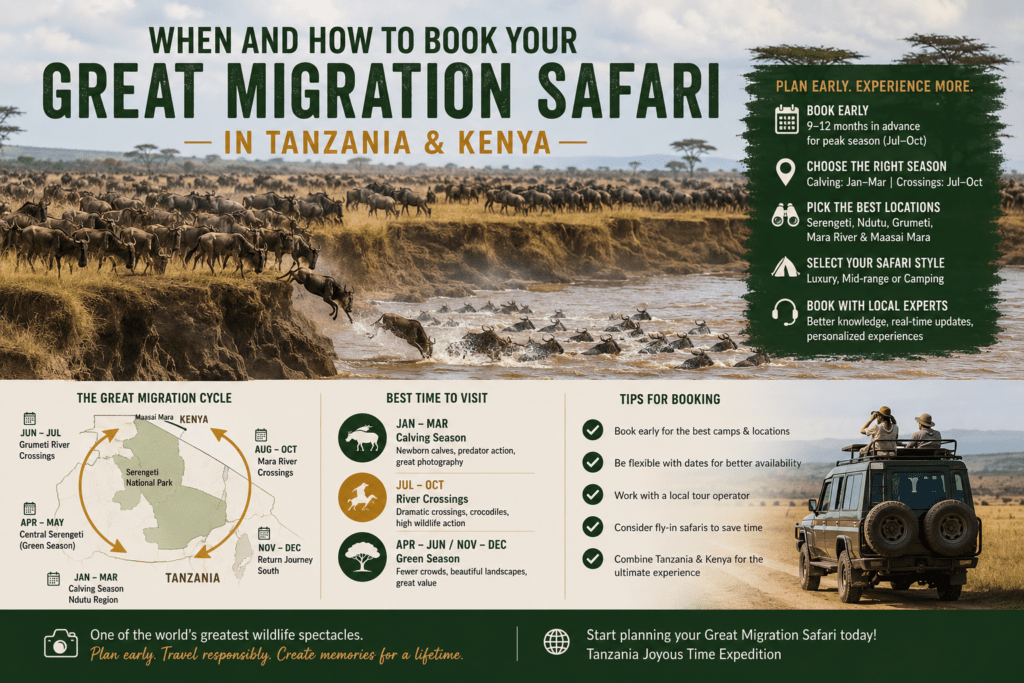
If you plan to travel during the famous Mara River crossing season between July and October, it is recommended to book at least 9 to 12 months in advance.
Why?
Luxury camps sell out quickly
Prime migration locations have limited availability
Better accommodation choices
More competitive flight options
The most sought-after safari camps near river crossing points are often fully booked months ahead.
Book 6–9 Months Ahead for Calving Season
The Ndutu Calving Season occurs from January to March in southern Serengeti.
During this period:
Thousands of wildebeest calves are born daily
Predator activity increases significantly
Wildlife photography opportunities are exceptional
Booking 6–9 months in advance usually provides a wide selection of accommodation and safari options.
Last-Minute Bookings
Although possible, last-minute bookings may involve:
Limited camp availability
Higher accommodation costs
Fewer itinerary choices
Longer travel logistics
For the best experience, early planning is always recommended.
Best Time to See the Great Migration
January – March: Calving Season
The southern Serengeti and Ndutu plains become the center of migration activity.
Highlights include:
Newborn wildebeest calves
Lions and cheetahs hunting
Excellent photography opportunities
Beautiful green landscapes
This period is ideal for wildlife enthusiasts and photographers.
April – May: Green Season
As rains continue, the herds begin moving through central Serengeti.
Benefits include:
Fewer tourists
Lower safari prices
Lush scenery
Excellent wildlife viewing
June – July: Western Corridor
The migration reaches western Serengeti.
Highlights:
Grumeti River crossings
Large wildlife concentrations
Predator encounters
August – October: Mara River Crossings
This is the most famous migration period.
Visitors can witness:
Dramatic river crossings
Crocodile attacks
Massive wildebeest herds
Exceptional wildlife photography
This is considered the peak migration season.
November – December: Southern Return
The migration gradually returns south as short rains begin.
This period offers:
Fewer crowds
Active wildlife viewing
Beautiful safari conditions
Tanzania vs Kenya: Which Side Should You Choose?
Tanzania Great Migration Safari
Tanzania offers access to:
Calving season in Ndutu
Central Serengeti migration
Grumeti River crossings
Northern Serengeti river crossings
Advantages:
Larger safari ecosystem
More migration phases
Diverse safari combinations
Kenya Great Migration Safari
Kenya offers:
Mara River crossings
High predator density
Excellent wildlife photography
Advantages:
Easier access from Nairobi
Shorter safari itineraries
World-famous Mara crossing locations
The Best Option
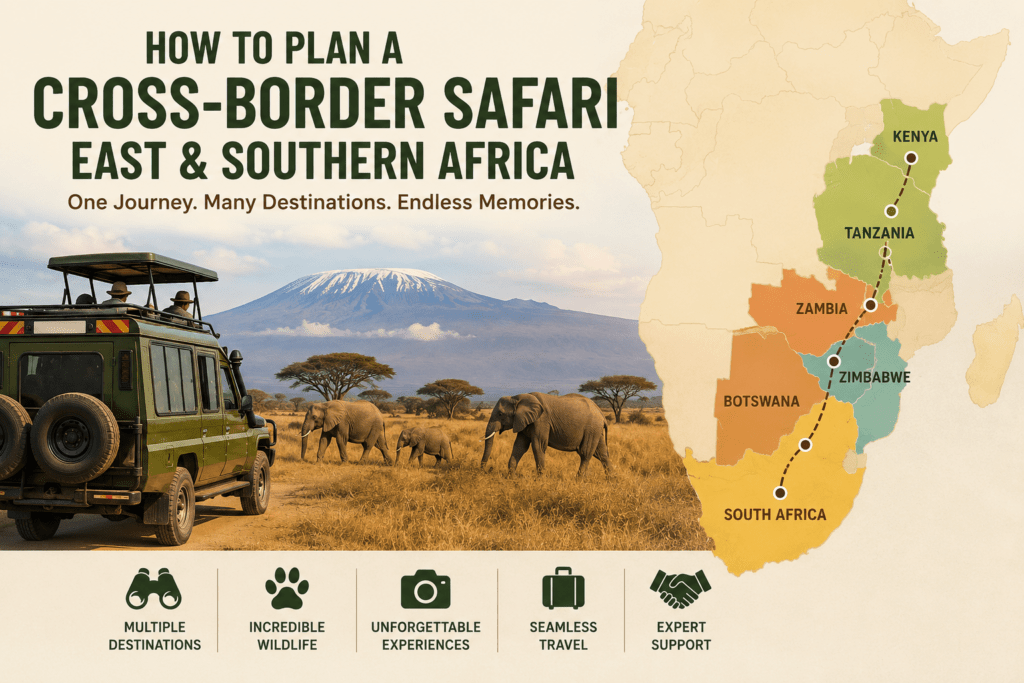
For the ultimate experience, many travelers combine both countries into one migration safari.
This allows visitors to witness multiple migration stages and explore different ecosystems.
How to Choose the Right Great Migration Safari
Consider Your Travel Goals
Ask yourself:
Do you want river crossings?
Are you interested in calving season?
Do you prefer luxury or budget travel?
Is photography a priority?
Your answers help determine the best migration region and travel dates.
Choose the Right Accommodation
Luxury Safari Camps
Ideal for:
Honeymooners
Luxury travelers
Photographers
Features:
Premium locations
Exceptional service
Comfortable safari experience
Mid-Range Camps
Perfect balance of:
Comfort
Affordability
Wildlife access
Budget Camping Safaris
Suitable for:
Adventure travelers
Backpackers
Budget-conscious visitors
Why Book with a Local Tour Operator?
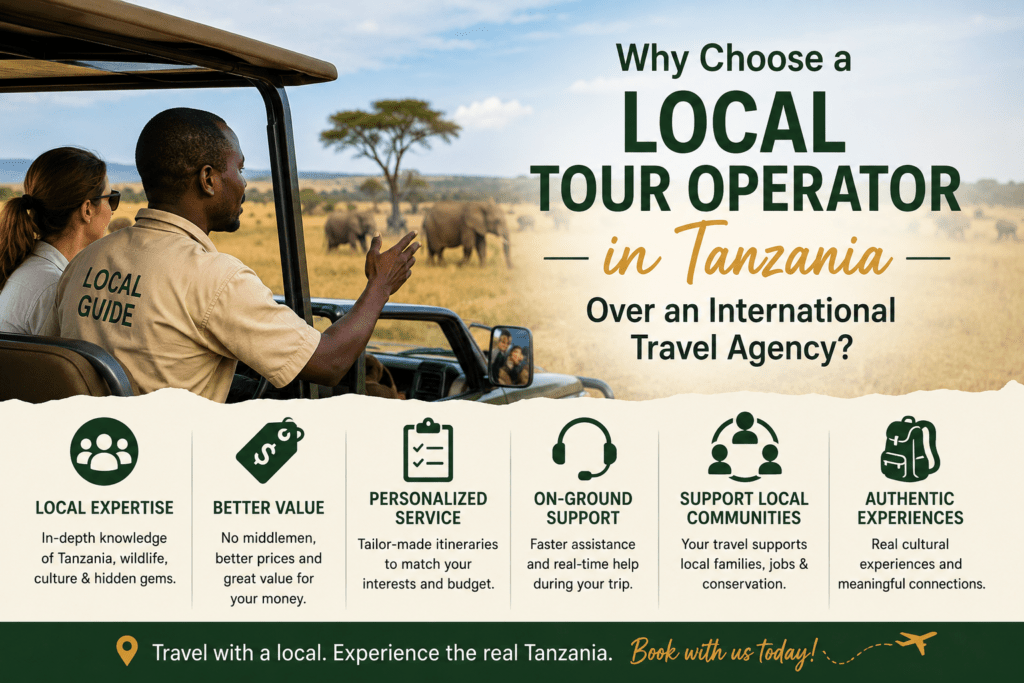
Booking through a local operator provides several advantages:
Expert destination knowledge
Real-time migration updates
Customized itineraries
Competitive pricing
Direct local support
Local safari specialists understand wildlife movements and can recommend the best locations based on seasonal conditions.
Essential Tips for Booking a Great Migration Safari
Book Early
The earlier you book, the better your accommodation options.
Travel During Shoulder Seasons
Consider June, November, or early December for fewer crowds and good wildlife viewing.
Use Experienced Guides
Knowledgeable guides significantly improve your safari experience.
Consider Fly-In Safaris
Fly-in safaris save travel time and maximize wildlife viewing opportunities.
Frequently Asked Questions
What is the best month to see the Great Migration?
August to October is best for Mara River crossings, while January to March is best for calving season.
How far in advance should I book?
For peak season, 9–12 months in advance is recommended.
Is Tanzania or Kenya better for the Great Migration?
Both offer exceptional experiences. Tanzania provides more migration stages, while Kenya is famous for river crossings.
How many days should I spend on a migration safari?
A minimum of 5–7 days is recommended for a rewarding experience.
Can I combine the migration with a beach holiday?
Yes. Many travelers combine a migration safari with a visit to Zanzibar Island for a perfect safari and beach holiday.
Book Your Great Migration Safari Today
A Great Migration Safari in Tanzania and Kenya is one of the most unforgettable wildlife experiences on Earth. Whether you dream of witnessing the dramatic Mara River crossings, the incredible Ndutu calving season, or endless herds moving across the Serengeti plains, careful planning ensures the best possible safari experience.
Contact Tanzania Joyous Time Expedition today to start planning your personalized Great Migration Safari and experience Africa’s greatest wildlife spectacle.