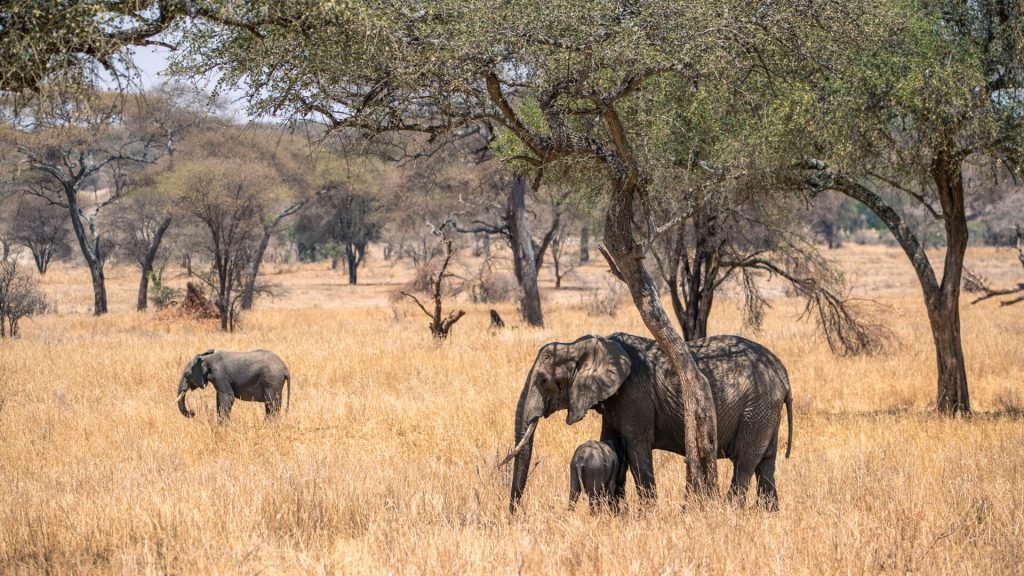

Tanzania is one of Africa’s most diverse and rewarding travel destinations. Located in East Africa, it offers a rare combination of world-class wildlife, iconic landscapes, rich culture, and tropical coastline. From the vast plains of the Serengeti to the snow-capped peak of Mount Kilimanjaro and the white-sand beaches of Zanzibar, Tanzania delivers a complete travel experience in one destination.
Tanzania is home to some of the most famous natural landmarks in the world:
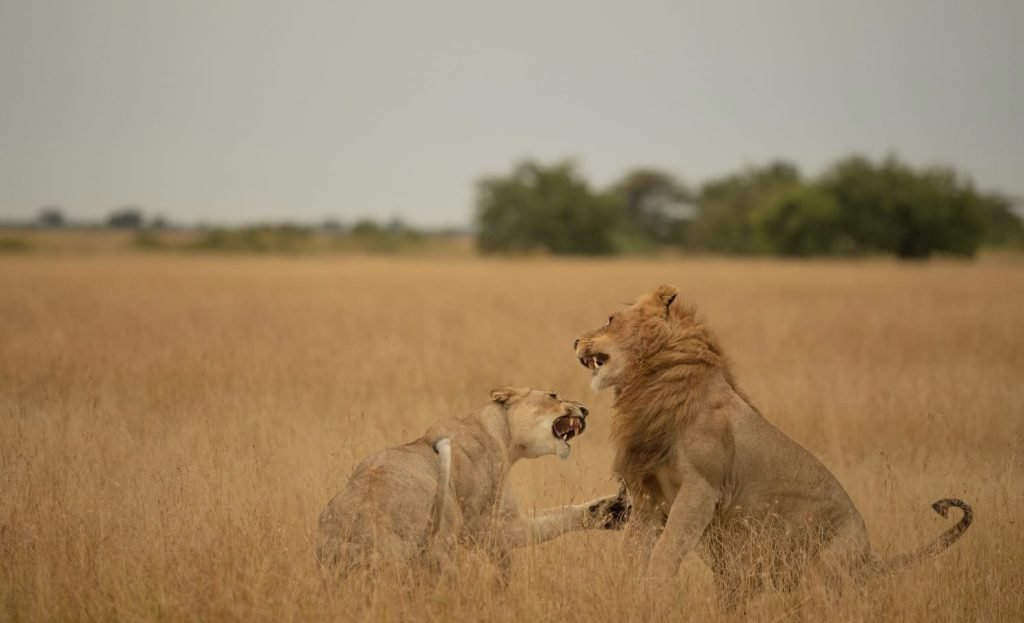
Serengeti National Park – Known for endless plains and the Great Wildebeest Migration
Ngorongoro Crater – A UNESCO World Heritage Site with dense wildlife populations
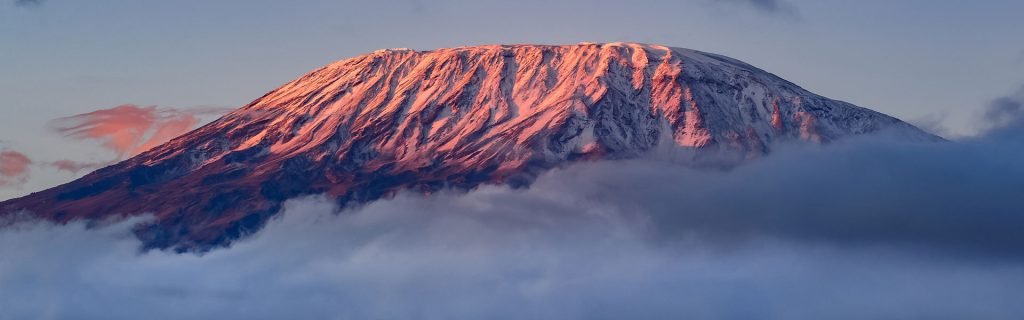
Mount Kilimanjaro – The highest mountain in Africa and a global trekking destination
Zanzibar – Famous for beaches, spice history, and Swahili coastal culture
Each destination offers a different ecosystem, making Tanzania ideal for safaris, trekking, beach holidays, and cultural exploration.
Modern Tanzania was formed in 1964 through the union of Tanganyika and Zanzibar. The mainland region, formerly Tanganyika, makes up more than 99% of the country’s land area. Zanzibar and Pemba Islands operate under a semi-autonomous government.
Dodoma is the official capital, while Dar es Salaam remains the country’s largest city and primary economic hub.
Before independence, the region experienced different colonial influences, including German and British rule on the mainland and Arab influence on Zanzibar. Tanganyika gained independence in 1961, followed by Zanzibar in 1963, leading to the union that created present-day Tanzania.
This historical background contributes to Tanzania’s rich cultural identity and diversity.
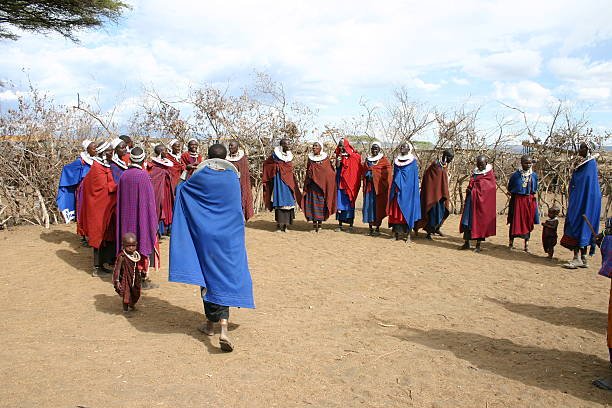
Tanzania is home to more than 120 ethnic groups, each with unique traditions, languages, and lifestyles. Despite this diversity, unity is achieved through the national language, Kiswahili (Swahili), which is widely spoken across all regions.
English is also used in education, government, and tourism.
Common Swahili expressions visitors will hear include:
Jambo – Hello
Karibu – Welcome
Asante – Thank you
Hakuna Matata – No worries
Pole Pole – Slowly, slowly
Cultural experiences in Tanzania often include traditional music, dance, local cuisine, and community-based tourism. Many communities are engaged in pastoralism, farming, and fishing depending on the region.
Tanzania has a tropical climate with average temperatures ranging between 22°C and 31°C throughout the year. The country experiences two main seasons:
This is the peak safari season. Wildlife viewing is at its best as animals gather around water sources. The weather is generally dry, with clear skies and excellent visibility for photography and game drives.
The wet season brings green landscapes and fewer tourists. It is ideal for photography and birdwatching. Rainfall often comes in short bursts rather than continuous storms, allowing safaris to continue with minimal disruption.
The northern parks, including Serengeti and Tarangire, have a mild and seasonal climate. The Ngorongoro Crater, located at higher altitude, is cooler and may experience cold mornings and evenings.
Arusha serves as the main safari gateway, offering access to nearby parks and views of Mount Meru.
Southern parks such as Nyerere National Park, Ruaha, and Mikumi are generally warmer due to lower elevation. These areas offer a more remote and less crowded safari experience.
Tanzania offers a complete African travel experience in one destination. Visitors can explore wildlife-rich savannahs, climb Africa’s highest peak, relax on tropical beaches, and experience vibrant cultures—all within a single journey.
From luxury safaris to adventure trekking and coastal relaxation, Tanzania remains one of Africa’s most versatile and rewarding destinations.
Contact Tanzania Joyous Time Expedition to get started on your safari of a lifetime!